Professional manufacturer
Innovating World Trade with Code
Contact us
Leave Your Message

What Is a 2 Pin LED Light Bulb and How Does It Work?

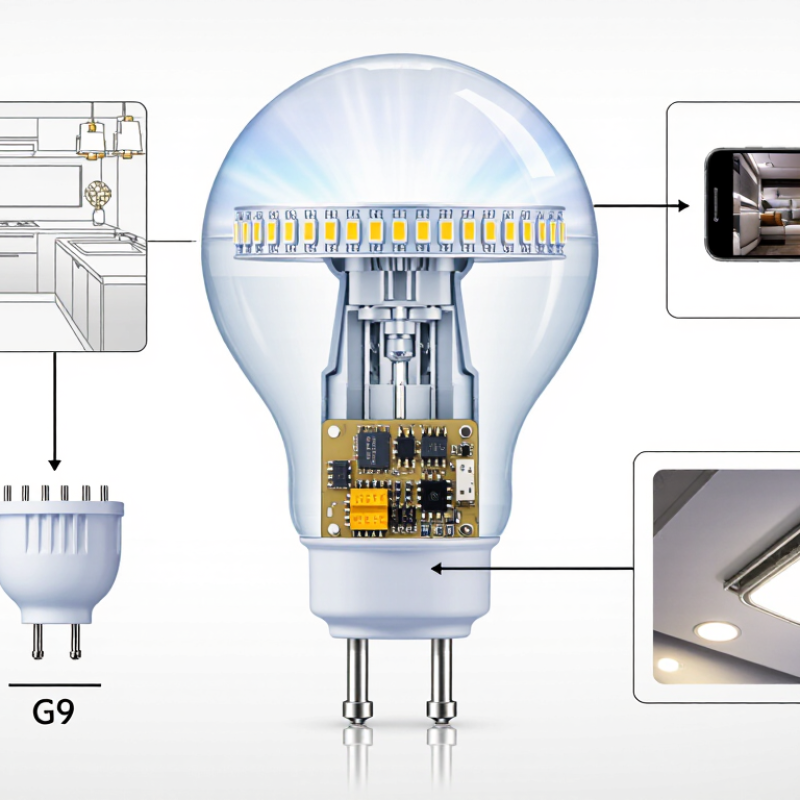
A 2 Pin LED Light Bulb is a compact replacement for many low-voltage capsule lamps used in kitchens, display cases, caravans, and decorative fixtures. Its two metal pins connect with a matching socket, while the internal driver converts incoming power into controlled current for the LED chips. The result is immediate illumination, low heat, and efficient operation. Small fitting. Serious engineering.

The U.S. Department of Energy reports that LED products can use at least 75% less energy than incandescent lighting and last up to 25 times longer. The International Energy Agency also identifies lighting as responsible for roughly 10% of global electricity demand. These figures explain the growing interest in efficient two-pin replacements. However, performance depends on more than the LED itself. Pin spacing, voltage, base type, driver quality, dimmer compatibility, and heat removal all matter. A G4 lamp is not automatically interchangeable with a G9 lamp. That mistake is common.

Dr. James Brodrick, a former U.S. Department of Energy solid-state lighting specialist, described LEDs as “a rapidly evolving technology.” His observation remains important here. A modern 2 Pin LED Light Bulb may look simple, yet its small housing must manage electrical conversion and thermal stress. Some products advertise impressive brightness but provide poor color consistency. Others flicker visibly through a phone camera. Buyers should check lumens, voltage, color temperature, certified safety markings, and measured lifespan. Even reputable data can vary. This article examines how these bulbs work, where they perform well, and what their limitations reveal.
What Is a 2 Pin LED Light Bulb and How Does It Work?

Definition and Main Features of a 2 Pin LED Light Bulb

What Is a 2 Pin LED Light Bulb and How Does It Work?

A 2 pin LED light bulb is a compact lamp with two metal pins for electrical connection. These pins fit into a matching socket, such as G4, GU4, or certain MR16 fittings. However, “2 pin” does not describe one universal size or voltage. Many models operate at 12 volts, while others require different electrical conditions. The socket label and product specifications must match.

Inside, an LED chip converts electrical energy into light through semiconductor activity. A small driver controls current and helps prevent unstable operation. Some drivers sit inside the bulb, while low-voltage fittings may use an external transformer. Main features include low heat output, rapid startup, compact dimensions, and selectable color temperatures. The U.S. Department of Energy reports that LED products use at least 75% less energy than incandescent lighting and can last up to 25 times longer. The International Energy Agency also identifies LED efficiency as a major factor in reducing lighting electricity demand.

Brightness is measured in lumens, not watts. Color quality depends on the color-rendering index, while dimming depends on driver and switch compatibility. In practical installations, polarity is sometimes relevant, especially with sensitive low-voltage sockets. Yet compatibility remains the weak point. A bulb may fit physically but fail electrically. That mistake is easy to make. Checking voltage, base spacing, transformer type, and dimming requirements prevents flicker, overheating, and premature failure. Even experienced installers should verify the fitting first.
Key Components Inside a 2 Pin LED Light Bulb

What Is a 2 Pin LED Light Bulb and How Does It Work?

Key Components Inside a 2 Pin LED Light Bulb

A 2 pin LED light bulb uses two metal pins for electrical connection. These pins fit into a matching socket and carry power to the internal circuit. Some models operate on low-voltage DC, while others include parts for mains-voltage AC. Checking the bulb and socket ratings matters.

Inside, the driver controls incoming electricity. A rectifier may convert AC into DC. A capacitor helps smooth voltage changes. Resistors limit current and support stable operation. The LED chips then convert electrical energy into light. They sit on a small circuit board, often attached to a metal heat sink. Heat must escape. Excessive heat can shorten LED life.

A diffuser spreads light across the cover. It can reduce glare and soften harsh points from the LED chips. In practical inspections, loose pins, darkened boards, or swollen capacitors may indicate electrical stress. Not every failure comes from the LED itself. This is easy to overlook.

Tips: Turn off power before replacing the bulb. Confirm the pin spacing, voltage, wattage, and socket type. Never force mismatched pins into place. If the bulb flickers, check the driver, socket contacts, and dimmer compatibility. Some bulbs also need airflow, although this detail is often ignored. Use a qualified electrician when wiring is uncertain.

What Is a 2 Pin LED Light Bulb and How Does It Work?

Typical Current Requirements at a 12 V Input

A 2 pin LED light bulb commonly uses two electrical contacts for a low-voltage input, often 12 V DC or 12 V AC. The chart shows representative current values calculated from typical power ratings using the relationship current = power ÷ voltage. Actual AC bulbs may draw slightly different current because of rectifiers and driver losses.

LED Chips

Convert electrical energy into light and produce heat during operation.

Current Driver

Regulates current to help protect the LEDs from excessive electrical stress.

Rectifier

In AC-compatible designs, converts alternating input into usable DC for the LEDs.

Two Pins and Heat Path

The pins provide the electrical connection, while the circuit board and housing help remove heat.

How Electrical Current Powers the LED Circuit

What Is a 2 Pin LED Light Bulb and How Does It Work?

A 2 pin LED light bulb connects through two metal contacts that carry electrical power into its circuit. In low-voltage lamps, the pins may receive direct current from a transformer. In other designs, they connect to an alternating-current supply. The circuit first controls the incoming voltage. A rectifier may convert AC into DC, while a driver limits current to protect the LED chips. This step matters because LEDs need controlled current, not simply unlimited voltage.

Inside the bulb, electrons pass through a semiconductor junction and release energy as visible light. A small circuit board spreads heat through the housing, although heat management is often overlooked. The U.S. Department of Energy reports that LED products can use at least 75% less energy and last up to 25 times longer than incandescent lighting. The International Energy Agency has also identified lighting as roughly 15% of global electricity consumption, showing why efficient current control matters at scale.

Pin spacing and voltage must match the socket. A reversed connection can stop some DC bulbs from operating, while incorrect voltage can damage the driver. Testing with a multimeter helps confirm supply conditions before installation. Real installations are less tidy. Poor ventilation, loose contacts, or an unsuitable transformer can cause flicker and shortened life. IEC 61347-2-13 addresses safety requirements for LED controlgear, but compliance does not remove the need for correct fitting. The circuit is small, yet its electrical demands deserve careful attention.

How to Install and Use a 2 Pin LED Light Bulb

What Is a 2 Pin LED Light Bulb and How Does It Work?

A 2 pin LED light bulb uses two metal pins to connect with a compatible socket. Common types include G4, G5.3, and GU5.3 bases. These codes are not interchangeable. Check the pin spacing, voltage, and socket label before buying. A 12-volt lamp may require a compatible transformer, while some models operate directly on household voltage. Never guess.

How to Install and Use a 2 Pin LED Light Bulb

Switch off the power and allow the old lamp to cool. Remove it gently, without twisting the pins sideways. Align both pins with the socket holes, then press the lamp straight in. Do not force it. A correct fit should feel firm, not strained. Confirm the bulb’s voltage and dimming compatibility before switching on. Some LED lamps flicker with older transformers or dimmers. That problem is easy to miss.

The U.S. Department of Energy reports that LED lighting can use at least 75% less energy and last up to 25 times longer than incandescent lighting. The International Energy Agency’s Energy Efficiency 2023 report also identifies efficient lighting as a practical household energy-saving measure. Still, efficiency depends on correct installation. A poorly matched transformer can create heat, buzzing, or early failure. The bulb may fit, yet the system may not. Check for unusual warmth after ten minutes, and stop using the lamp if the socket smells burnt. My early assumption was simple: two pins meant universal compatibility. It was wrong.

What Is a 2 Pin LED Light Bulb and How Does It Work? - How to Install and Use a 2 Pin LED Light Bulb
Category Specification or Topic Typical Information Installation or Use Notes
Definition What is a 2-pin LED bulb? An LED lamp with two electrical pins that connect to a compatible socket. The number of pins alone does not identify the correct bulb; pin spacing, shape, voltage, and socket type must also match.
Electrical Design How does it produce light? Electrical current passes through semiconductor LED chips, which convert electrical energy into light. Most bulbs include a driver or current-limiting circuit to regulate the power supplied to the LEDs.
Common Base Types Examples of 2-pin bases G4, G5.3, G6.35, GU4, GU5.3, G8, and G9 are common two-contact formats. These bases are not interchangeable. Confirm the base code and pin spacing before purchase or installation.
Pin Spacing Typical center-to-center spacing Common examples include approximately 4 mm for G4, 5.3 mm for G5.3 or GU5.3, 6.35 mm for G6.35, and 8 mm for G8. Measure the existing lamp or check the fixture marking; a small spacing difference can prevent a secure connection.
Voltage Typical operating voltage Many 2-pin LED lamps are designed for low-voltage systems such as 12 V, while some types are made for mains-voltage systems such as 120 V or 230 V. The replacement voltage must match the fixture and transformer output. Never assume every 2-pin bulb is low voltage.
Current Type AC and DC compatibility Some lamps accept direct current only; others support AC, DC, or a stated voltage range. Read the lamp label and driver specifications. An AC-only or DC-only lamp may flicker or fail when connected to the wrong supply.
Power Consumption Typical LED wattage Small 2-pin LED lamps commonly use about 1 W to 10 W, depending on size, brightness, and design. Use the labeled wattage when checking transformer capacity, fixture limits, and energy consumption.
Brightness Light output Brightness is measured in lumens. Compact 2-pin lamps may produce roughly 80 to 800 lumens, depending on their size and power. Compare lumens rather than watts when selecting a replacement for a particular brightness level.
Color Options Color temperature Common choices include warm white around 2700–3000 K, neutral white around 3500–4100 K, and cool or daylight white around 5000–6500 K. Choose the color temperature according to the room’s purpose and the desired visual appearance.
Beam Direction Light distribution LED capsules, flat discs, and reflector-style lamps can produce different beam angles, commonly from about 30° to 360°. Check the lamp shape and beam angle when replacing a directional halogen lamp or a fully illuminated capsule.
Dimming Dimmer compatibility Only lamps specifically marked as dimmable should be connected to a dimmer. The lamp, dimmer, transformer, and minimum load must be compatible to avoid flicker, buzzing, or a limited dimming range.
Heat Management Operating temperature LEDs generate less heat than incandescent or halogen lamps but still require heat dissipation for reliable operation. Do not exceed the fixture’s enclosed-rating requirements, and keep ventilation openings clear where applicable.
Installation Step 1 Turn off the power Switch off the light and disconnect power at the circuit breaker when appropriate. Allow the old lamp to cool completely before touching it.
Installation Step 2 Remove the old lamp Pull a straight-pin lamp out gently; remove a twist-lock style only by turning it as specified by the socket. Do not bend, force, or twist straight pins, as this can damage the socket.
Installation Step 3 Verify the replacement Confirm the base code, pin spacing, voltage, wattage, dimensions, and lamp orientation. If any key specification differs, use a suitable replacement or consult a qualified electrician.
Installation Step 4 Insert the LED lamp Align both pins with the socket holes and press the lamp in evenly until it is secure. Avoid pressing on delicate LED components, and do not use excessive force.
Testing Check operation Restore power and confirm that the lamp turns on without unusual flicker, noise, odor, or excessive heat. If it does not work, switch off power and recheck compatibility, pin alignment, transformer type, and socket condition.
Safety Important precautions Incorrect voltage, damaged wiring, loose sockets, or unsuitable transformers can create shock, fire, or equipment-damage risks. For mains-voltage fixtures or uncertain wiring, have the installation checked by a qualified electrician.

Common Applications, Benefits, and Limitations

What Is a 2 Pin LED Light Bulb and How Does It Work?

A 2 pin LED light bulb uses two metal contacts for power and mechanical support. Common bases include G4, G9, and GU5.3. Some models operate at 12 volts, while others connect directly to household voltage. Always match the bulb’s voltage, pin spacing, and base shape.

The internal LED driver converts incoming electricity into controlled current. This process produces light with less heat than traditional filament lamps, although heat still matters.

The U.S. Department of Energy reports that LEDs use at least 75% less energy and can last up to 25 times longer than incandescent bulbs.

Common applications include cabinet lighting, display cases, decorative fixtures, reading lamps, and compact landscape fittings. Their small size suits narrow spaces. Their low energy use also supports frequent operation.

The International Energy Agency estimates that lighting represents about 10% of global electricity demand, so small efficiency gains can matter across many installations.

However, two-pin designs have limitations. An old electronic transformer may require a higher minimum load. That can cause flicker, buzzing, or poor starting. Enclosed fixtures can also shorten LED life by trapping heat.

The simple shape can mislead.

Tips: Check the transformer label before installation. Confirm AC or DC compatibility. Compare lumens, not watts. For dimming, use a compatible LED dimmer and test at low brightness. I would not assume every two-pin lamp is interchangeable, even when the pins look identical.