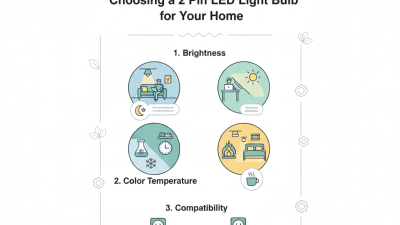
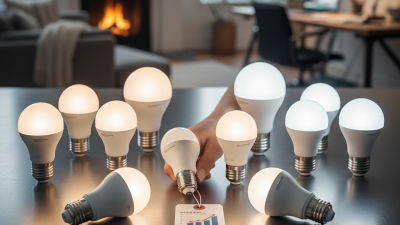
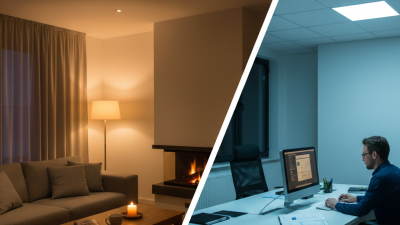
Choosing the right Led Lights For Home is no longer a simple matter of picking the brightest bulb. In 2026, buyers must compare light quality, energy use, controls, installation needs, and long-term reliability. A warm 2700K lamp may make a bedroom feel calm, while a 4000K fixture can reveal useful detail in a kitchen or workshop. Brightness matters too, but lumens alone do not describe comfort.
This guide examines the leading LED light types for modern homes. It considers recessed downlights, ceiling panels, smart bulbs, strip lighting, under-cabinet fixtures, outdoor-rated products, and decorative pendants. Each type serves a different purpose. A hallway needs even coverage. A reading corner needs controlled glare. A bathroom requires suitable moisture protection and careful installation. Product labels should also be checked for color-rendering information, dimmer compatibility, warranty terms, and recognized safety certifications.
Real homes are less predictable than showroom displays. A narrow ceiling may limit fixture choices. An old dimmer may cause flickering. Some smart lamps may lose useful features when the internet fails. Small details matter. This guide uses practical buying criteria and manufacturer information to support dependable decisions, rather than chasing impressive claims. Still, no ranking fits every household perfectly. Personal comfort, ceiling height, wiring condition, and daily habits can change the best choice. That uncertainty deserves attention, not concealment.
Choosing the right LED light starts with the room, not the fixture’s appearance. Kitchens need bright, focused lighting for counters and food preparation. Under-cabinet strips can reduce shadows, while recessed lights provide wider coverage.
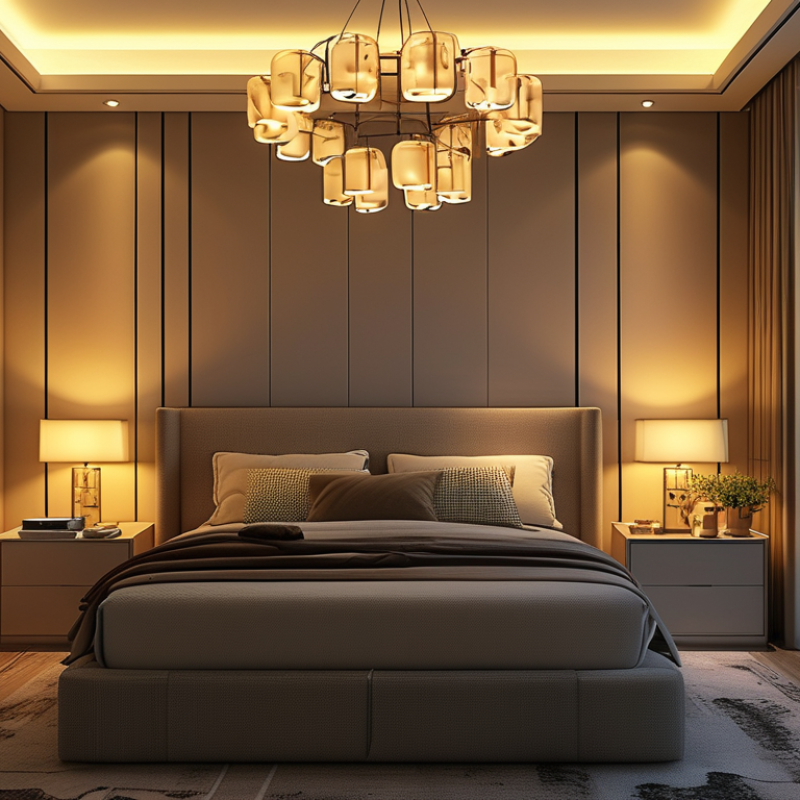
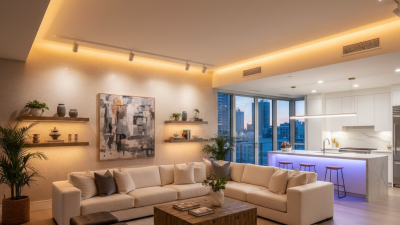
Living rooms usually benefit from softer, dimmable light around 2700K to 3000K. Bedrooms need gentle illumination, especially near beds and reading chairs.
Bathrooms require fixtures rated for damp areas. Check the safety label carefully. Hallways can use lower-lumen ceiling lights because people pass through quickly.
For artwork or workspaces, choose LEDs with a high color-rendering index, preferably 90 or above. Colors look more natural.
In real home projects, I have seen overly bright LEDs make small rooms feel harsh. More light is not always better.
Tips: Measure the room before shopping. Match lumens to the space, not wattage alone. Use warm light for relaxing areas and neutral light for detailed tasks. Confirm dimmer compatibility, because some LEDs flicker with older controls. Also, test one fixture before replacing every bulb. This small step can reveal unwanted glare, shadows, or a color tone that feels wrong. Mistakes happen. Careful testing helps limit them.
In 2026, choosing LED lights for a home requires more than checking wattage. Brightness should be measured in lumens, not watts. A reading corner may need 800 to 1,100 lumens, while a hallway can work with less. Kitchens usually benefit from stronger, even illumination over counters. Excessive brightness can create glare on polished surfaces and white tiles. Test the fixture at night.
Color temperature changes how a room feels. Warm light around 2,700K creates a softer bedroom or living-room atmosphere. Neutral light near 3,500K suits bathrooms, study areas, and general tasks. Cooler light above 4,000K can improve visual clarity in workshops, but it may feel harsh in relaxing spaces. High color-rendering performance also matters. It helps food, wood, and skin tones appear more natural. My early mistake was choosing cool light everywhere; the rooms looked clean, but not comfortable.
Energy efficiency depends on useful light, operating hours, and controls. Compare lumens per watt, then consider dimming, timers, and motion sensors. A 10-watt lamp producing 900 lumens may outperform a brighter-looking, inefficient alternative. Check the stated lifespan and warranty details, but treat both as estimates. Heat, frequent switching, and enclosed fixtures can shorten performance. I still question some laboratory claims because home conditions are rarely perfect. Measure actual room comfort, electricity use, and glare before replacing every fitting.
Matching LED fixtures to a room requires more than choosing the brightest light. I have found that layered lighting works best in real homes. Use ceiling fixtures for general light, wall lights for comfort, and focused lamps for tasks.
In a kitchen, choose bright, neutral LEDs with strong color rendering. They make vegetables, wood, and countertops look more natural. Under-cabinet strips should sit near the front edge, preventing shadows on the work surface. A bedroom usually needs warmer light, around 2700K to 3000K. Frosted fixtures can soften glare near the bed. In bathrooms, select damp-rated fittings and place light beside the mirror, not only above it. The face looks clearer with fewer shadows.
Style matters, too. Slim recessed lights suit modern ceilings, while visible pendants add character above a dining table. For older homes, check ceiling boxes and wiring before buying. Some fixtures need stronger support or professional installation. Dimmers must match the LED driver, or the light may flicker. I learned this after installing a dimmer that hummed quietly at night. It worked, but not well enough.
Tips: Measure the room first. Check lumens, color temperature, beam angle, and safety ratings. Leave space between multiple downlights to avoid bright spots. Test one fixture before installing several. A sample can reveal glare, awkward shadows, or a color that feels colder than expected.
| Room or Home Area | Recommended LED Fixture | Typical Brightness | Recommended Color Temperature | Color Quality | Suitable Beam or Distribution | Installation Requirement | Ceiling or Mounting Guidance | Style Compatibility | Dimming and Control | Safety or Performance Considerations |
|---|---|---|---|---|---|---|---|---|---|---|
| Living Room | Recessed downlights with a central decorative fixture | 1,500–3,000 total lumens for a medium-size room | 2700–3000 K | CRI 90 or higher for natural-looking furnishings and artwork | Wide, approximately 90–120 degrees, for general illumination | New-construction housing or remodel-rated recessed housing; surface-mounted options suit limited access | Use adjustable or gimbal fixtures for sloped ceilings and artwork walls | Modern, transitional, Scandinavian, and minimalist | Wall dimmer, smart control, or scene-based lighting | Use layered lighting rather than relying on one bright central fixture to reduce glare. |
| Kitchen | Recessed downlights, under-cabinet linear lights, and pendant lights | 3,000–6,000 total lumens, depending on size and cabinet layout | 3000–4000 K | CRI 90 or higher for accurate food and countertop colors | Medium to wide distribution for general areas; focused light for worktops | Hardwired or plug-in under-cabinet installation; recessed wiring may require ceiling access | Place task lighting toward the front of counters to limit cabinet shadows | Contemporary, industrial, farmhouse, and transitional | Separate controls for ceiling, task, and decorative lighting | Avoid placing only ceiling lights behind the user because they can cast shadows over preparation areas. |
| Dining Room | Dimmable pendant or chandelier-style LED fixture | 1,500–3,000 lumens for general dining illumination | 2700–3000 K | CRI 90 or higher for food, tableware, and finishes | Downward or diffused distribution centered over the table | Junction-box mounting with a properly supported ceiling outlet | Typically position the bottom of the fixture about 30–36 inches above the tabletop | Traditional, contemporary, mid-century, and decorative | Full-range dimming is strongly recommended | Choose a diffuser or shielded light source to keep the fixture comfortable at seated eye level. |
| Bedroom | Low-glare recessed lights, flush mounts, or semi-flush ceiling lights | 1,000–2,000 total lumens for a medium-size bedroom | 2200–3000 K | CRI 80 minimum; CRI 90 preferred for wardrobes and textiles | Wide, soft distribution with reduced direct glare | Surface-mount fixtures are practical where attic or ceiling access is limited | Use separate bedside lighting instead of increasing overhead brightness | Soft contemporary, classic, Japandi, and minimalist | Dimmer, bedside switching, occupancy sensor, or smart schedule | Warmer color temperatures generally create a calmer evening atmosphere. |
| Bathroom | Wet-rated ceiling light plus vertical vanity lighting | 2,000–4,000 total lumens, adjusted for room size and finish color | 3000–4000 K | CRI 90 or higher for grooming and makeup application | Even, shadow-reducing illumination around the mirror | Use fixtures with an appropriate damp or wet-location rating for the installation zone | Place vanity lights at both sides of the mirror or use a well-diffused fixture above it | Modern, hotel-style, traditional, and clean-lined | Separate vanity and ambient controls; sensor control may suit powder rooms | Follow local electrical codes for fixture placement near showers, tubs, and sinks. |
| Home Office | Low-glare panel, recessed fixture, or adjustable track light | 2,000–4,000 total lumens for general room lighting | 3000–4000 K | CRI 90 preferred for documents, screens, and detailed tasks | Wide and uniform distribution with controlled glare | Plug-in, surface-mounted, or recessed installation depending on the ceiling | Position fixtures to avoid reflecting directly into computer screens | Contemporary, professional, industrial, and minimalist | Dimming, tunable-white control, occupancy sensing, or daylight response | A diffused fixture and matte finish can help reduce visual fatigue during long work periods. |
| Hallway and Stairway | Compact recessed lights, flush mounts, or wall sconces | 500–1,500 total lumens, depending on length and ceiling height | 2700–3500 K | CRI 80 minimum; higher CRI helps show stair edges and wall finishes | Moderate, evenly spaced distribution | Recessed, surface-mounted, or wall-mounted wiring; three-way switching may be useful | Use consistent spacing and avoid placing a fixture where it creates strong stair shadows | Any style when trim and finish are coordinated | Motion sensor, timer, or three-way switching | Keep transition areas adequately illuminated without creating a sharp brightness contrast with adjacent rooms. |
| Walk-In Closet | Linear LED strip, surface-mounted linear fixture, or compact downlights | 1,000–2,500 total lumens | 3000–4000 K | CRI 90 or higher for clothing and color matching | Wide, uniform distribution with minimal vertical shadowing | Surface-mounted or low-profile installation is suitable for shallow ceilings | Place light near the center and add vertical illumination for shelving | Minimalist, contemporary, and built-in cabinetry styles | Door switch, occupancy sensor, or automatic timer | Select enclosed fixtures where dust accumulation or contact with stored items is possible. |
| Garage or Workshop | Linear LED shop light or sealed utility fixture | 4,000–8,000 total lumens, based on work area and task demands | 4000–5000 K | CRI 80 or higher; CRI 90 is useful for detailed work | Wide, high-output distribution with low shadowing | Surface-mounted, suspended, or chain-mounted installation | Use multiple rows rather than one central fixture for benches and vehicle areas | Functional, utilitarian, and industrial | Pull chain, wall switch, occupancy sensor, or zone controls | Choose a suitable temperature range and an enclosed design for dusty or unconditioned spaces. |
| Covered Porch or Entry | Outdoor-rated flush mount, wall lantern, or recessed soffit light | 800–2,000 total lumens | 2700–3000 K | CRI 80 or higher | Wide, diffused distribution for steps, doors, and walking paths | Exterior-rated junction box and fixture; select the correct wet- or damp-location rating | Use shielded fixtures where neighboring windows may receive direct glare | Traditional, coastal, craftsman, and modern | Photocell, motion sensor, timer, or smart control | Outdoor fixtures should be sealed against moisture according to the exposure level of the location. |
| Patio or Covered Outdoor Living Area | Outdoor-rated downlights, string-style decorative fixtures, or linear accent lighting | 800–2,500 total lumens | 2200–3000 K | CRI 80 or higher | Soft, wide, or indirect distribution for comfortable social lighting | Exterior-rated wiring, boxes, connectors, and fixtures are required | Use indirect mounting under eaves or pergolas to reduce glare | Rustic, resort, contemporary, and casual | Dimmer, timer, photocell, or smart scene control | Use low-glare, warm light to preserve nighttime comfort and reduce spill into neighboring areas. |
| Utility Room or Laundry Room | Surface-mounted LED fixture or linear ceiling light | 1,500–3,000 total lumens | 3500–4000 K | CRI 80 minimum; CRI 90 preferred for sorting and stain inspection | Wide and uniform distribution | Surface-mounted installation is practical for unfinished or low-access ceilings | Center the fixture between cabinets and appliances where possible | Functional, modern, and minimalist | Wall switch, occupancy sensor, or timer | Choose a cleanable lens and an enclosed housing where lint, dust, or moisture may be present. |

Choosing the right LED light for a home requires more than checking brightness or color temperature. Smart features matter, but reliability matters more. The U.S. Department of Energy reports that quality LED products can operate for about 25,000 to 50,000 hours, depending on design and usage. ENERGY STAR also states that certified LED bulbs use at least 75% less energy and last up to 25 times longer than incandescent bulbs. These figures are useful, but real lifespan can fall when fixtures trap heat or experience frequent voltage changes.
Smart controls should provide practical value. Look for scheduling, occupancy sensing, dimming, and local control when internet service fails. A bedroom light that slowly fades at 10 p.m. feels useful. A complicated app does not. Check compatibility with existing dimmers, switches, and voice systems before buying. Small incompatibilities can cause flicker, buzzing, or failed pairing.
Safety standards deserve close attention. Residential luminaires should show recognized testing, such as UL 1598 or applicable IEC 60598 requirements. Certification does not guarantee perfect performance, but it indicates testing for electrical and fire risks. Also inspect heat dissipation, enclosed-fixture ratings, and moisture ratings for bathrooms or covered outdoor areas. The U.S. Department of Energy’s solid-state lighting reports repeatedly identify thermal management as a major factor in LED performance. Brightness can deceive. A cool-looking lamp may still age quickly if its housing cannot release heat. That is where many buying guides oversimplify the decision.
Typical rated life varies by residential LED category. The figures below represent common product ratings, while actual performance depends on heat management, operating hours, power quality, and installation conditions.
Buying guidance: Smart models may add scheduling, energy monitoring, voice control, and Matter, Wi-Fi, or Bluetooth compatibility, but connectivity can increase standby energy use and may require firmware support. For safety, check the applicable certification for your market, use LED equipment compliant with standards such as UL 8750, select luminaires evaluated under UL 1598 where applicable, and match damp- or wet-location ratings according to IEC 60529 or the product label. Rated life is normally stated in hours and should not be treated as a guarantee of total failure-free operation.
Choosing the best LED lights for your home starts with the room, not the fixture. A warm 2700K bulb suits bedrooms and lounges, while 3500K to 4000K supports kitchens, studies, and garages. Check lumens instead of watts. A 1,000-lumen LED can replace many traditional bulbs while using far less electricity. The U.S. Department of Energy reports that LEDs use at least 75% less energy and can last up to 25 times longer than incandescent lighting. That matters when your budget includes installation and future replacements.
For 2026, compare total ownership cost, not only the shelf price. Look for high color-rendering performance, suitable dimming, and a realistic lifespan rating. ENERGY STAR testing guidance emphasizes efficiency, light quality, and verified performance. A cheaper lamp may flicker, fit poorly, or fail early.
I have seen this happen in small kitchens. The first purchase saved money, but the second purchase corrected it. Perfection is not always practical.
Tips: Measure the room and count existing sockets before buying. Choose 800 to 1,500 lumens for common living areas, then adjust for ceiling height and wall color. Select warm light for restful spaces and neutral light for detailed tasks. Keep packaging and receipts during the trial period. Some dimmers are incompatible with newer LEDs, which is an annoying detail. Check compatibility first, even when the label seems clear.