Best Gu24 Led Bulb Options for Energy Savings and Performance?
In the quest for energy-efficient lighting, the Gu24 LED bulb stands out. Known for its unique base design, this bulb type has gained popularity among eco-conscious consumers. With advancements in LED technology, Gu24 bulbs now offer impressive performance alongside significant energy savings.
Choosing the best Gu24 LED bulb requires attention to critical factors. Lumens, color temperature, and lifespan are vital considerations. The right bulb can minimize electricity bills and enhance the overall aesthetic of your space. However, many options on the market can be overwhelming. It is essential to consider reviews and energy ratings to ensure reliability and efficiency.
Understanding the nuances of Gu24 LED bulbs can simplify your decision-making process. While many brands claim to be the best, not all deliver on their promises. Researching reputable manufacturers and gathering user experiences is crucial. This knowledge will lead to an informed choice, ultimately benefiting both your wallet and the environment.
Best GU24 LED Bulb Features for Optimal Energy Savings
When searching for optimal GU24 LED bulbs, several features can significantly impact energy savings. Look for bulbs with a high lumen output relative to the wattage. This ensures bright illumination while using less energy. Additionally, a longer lifespan is a critical aspect. Quality GU24 LED bulbs can last up to 25,000 hours, which reduces the need for frequent replacements. This not only saves money but also minimizes waste.
Dimmability is another valuable feature. It allows better control over brightness levels and, consequently, energy consumption. Not all GU24 bulbs support dimming. Opting for those that do can enhance your lighting experience while also contributing to savings. Moreover, consider the color temperature. A bulb with a warm white light creates a cozy atmosphere and reduces the need for additional lighting sources in living spaces.
It's essential to be aware of the potential variations in performance. Some products claim high efficacy but do not deliver consistent results. Therefore, reviewing independent testing results or customer reviews is beneficial. This approach adds an extra layer of confidence in your purchase. Not all GU24 LED bulbs are created equal, and sometimes trial and error is necessary to find the perfect match for your needs.
Comparing Performance Metrics of Leading GU24 LED Bulb Brands
When selecting GU24 LED bulbs, it’s crucial to evaluate performance metrics carefully. Brightness, energy efficiency, and lifespan are key parameters that affect both performance and long-term cost savings. According to the U.S. Department of Energy, switching to LED bulbs can reduce energy consumption by up to 75% compared to traditional incandescent bulbs. Moreover, LED bulbs typically last 15 to 25 times longer, signifying a substantial reduction in replacement costs.
Another factor to consider is color temperature, which can influence mood and ambiance. Most GU24 LED options range from warm white (2700K) to daylight (5000K). A 2020 energy efficiency report indicated that warmer bulbs tend to be favored in residential settings, while cooler tones are preferred in commercial environments. Understanding the right fit for your space can enhance comfort and utility.
For optimal energy savings, look for bulbs with a high lumen-to-watt ratio. This ratio indicates how much light is produced per watt of electricity consumed. Units with a ratio above 80 lumens per watt are generally regarded as high performers. Regularly check for updates on energy efficiency ratings, as technology evolves rapidly. Each improvement can lead to better performance and savings, ensuring you make informed choices for your lighting needs.
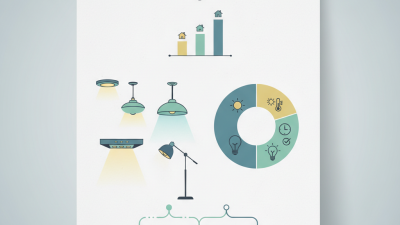
Performance Metrics of GU24 LED Bulbs
Understanding GU24 Base Compatibility with Household Fixtures
When it comes to energy-efficient lighting, the GU24 base type stands out. Many household fixtures now accommodate this base. A report from the U.S. Department of Energy indicates that switching to LED bulbs can save consumers up to 75% on energy costs compared to traditional incandescent bulbs. The GU24 base is designed to support compact, innovative shapes, ideal for various light fixtures.
Understanding GU24 compatibility is essential for effective energy use. Not all fixtures support this base, which could lead to mismatched bulbs and inefficient lighting. Incorrect installations can waste energy and shorten bulb life. According to industry data, improper fixture compatibility can decrease performance by up to
30%. It’s critical to check compatibility before making any purchases.
Consumers should look for GU24 bulbs with a high
Color Rendering Index (CRI) for vibrant lighting. A CRI above
80 is generally considered acceptable for household use. This would ensure that colors in your home remain accurate and appealing. However, there are developments in GU24 bulbs that show potential for improvement. Continued research is necessary to enhance efficiency further, maintaining relevance in modern lighting needs.
Key Factors Influencing the Lifespan of GU24 LED Bulbs
GU24 LED bulbs are known for their efficiency. However, their lifespan can vary significantly based on a few key factors. Understanding these factors can enhance performance and energy savings.
Heat management plays a crucial role in the longevity of GU24 bulbs. Excessive heat can shorten their lifespan. Choosing fixtures that allow proper heat dissipation is vital. Look for bulbs with good thermal management features. This will help maintain optimal operating temperatures.
Another important factor is the quality of the power supply. Fluctuations in voltage and poor electrical connections can harm GU24 LED bulbs. Use stable voltage levels to avoid damaging your bulbs. Regularly check for any signs of flickering or dimming, as these may indicate electrical issues.
Choosing the right brightness for your space is also essential. Overly bright bulbs can increase energy usage and heat production. The right lumen output can maximize both comfort and efficiency. Aim for bulbs that match your lighting needs without excess energy consumption.
Proper installation can also influence bulb life. Ensure contacts are clean and secure. A faulty installation can lead to early failures. Regular maintenance checks can potentially catch issues before they escalate.
Eco-Friendly Benefits of Switching to GU24 LED Lighting
Switching to GU24 LED lighting offers significant eco-friendly benefits. These bulbs consume less energy compared to traditional incandescent lights. This reduction means lower electricity bills, translating to long-term savings for households and businesses. They typically consume about 75% less energy than their incandescent counterparts. This efficiency not only helps your pocket but also decreases carbon footprints.
In addition to energy savings, GU24 LEDs have a longer lifespan. They can last up to 25,000 hours or more, significantly reducing the frequency of replacements. This longevity cuts down on waste, contributing to a healthier planet. Furthermore, GU24 LEDs are often made from environmentally friendly materials. Unlike some older bulbs, they do not contain mercury, making disposal safer.
The transition to GU24 LED lighting may come with an initial cost. However, the long-term benefits outweigh this upfront investment. Many people might hesitate to switch, fearing they won't receive similar light quality. In reality, LED technology has advanced, providing a range of color temperatures. Brightness and color accuracy have improved, meeting various lighting needs. Making the switch can feel daunting, but it is a rewarding step towards sustainable living.