Why Choose a Led Filament Bulb for Your Home Lighting Needs?
When it comes to home lighting needs, choosing the right bulb can be challenging. One option that stands out is the LED filament bulb. This unique lighting solution combines the classic design of traditional bulbs with modern energy efficiency. Unlike ordinary LED bulbs, the LED filament bulb mimics the vintage light aesthetic. Its warm glow creates a cozy atmosphere in your living space.
Many homeowners could benefit from this elegant yet practical choice. LED filament bulbs have a longer lifespan compared to traditional options. They reduce energy costs while providing the same amount of light. However, some may find them pricier initially. It's essential to weigh the long-term savings against the upfront cost.
Reflecting on personal preferences is also crucial. If you appreciate a nostalgic look, an LED filament bulb might be ideal. However, if your style leans towards minimalism, consider other designs. Overall, understanding your lighting needs will guide you towards the best solution.
Understanding LED Filament Bulbs and Their Technology
LED filament bulbs have garnered attention for their unique blend of style and efficiency. Their design mimics traditional incandescent bulbs, creating an inviting atmosphere. But it’s the technology within that makes them stand out. According to a report by the U.S. Department of Energy, LED technology can improve energy efficiency by up to 80% compared to incandescent options. This remarkable efficiency means lower energy bills and a smaller carbon footprint.
The inner workings of LED filament bulbs involve using multiple LED diodes arranged in a filament-like structure. This setup not only enhances aesthetic appeal but also delivers light quality similar to that of traditional bulbs. A recent study shows that consumers favor LED filament bulbs for their warm light, which can reach over 800 lumens. However, there’s room for improvement in terms of color rendering. Some users notice that colors appear slightly off under LED lighting, which can affect how spaces are perceived.
While many appreciate their longevity, it’s crucial to remember that not all products are of equal quality. Variability in production can lead to inconsistencies in brightness and lifespan. Durability is an advantage, yet in a few instances, even the best-rated bulbs may flicker or fail prematurely. Thus, careful selection and consideration of specifications are essential for optimizing home lighting.
Energy Efficiency of LED Filament Bulbs Compared to Traditional Bulbs
When considering energy-efficient lighting, LED filament bulbs stand out. They typically consume 75% less energy than traditional incandescent bulbs. According to the U.S. Department of Energy, switching to LED can save an average household about $225 in energy costs over a decade. This is a significant reduction that attracts many homeowners.
Tips: To maximize energy savings, replace the most frequently used bulbs first. Small steps can lead to larger savings over time.
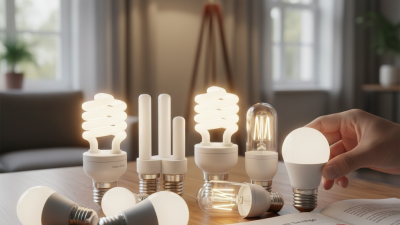
The luminous efficacy of LED filament bulbs is impressive. These bulbs produce more light per watt than older options. While a standard incandescent bulb emits around 15 lumens per watt, LED models can achieve up to 100 lumens per watt. However, some users report a harshness in the light quality. It’s important to find bulbs that create a warm, inviting atmosphere.
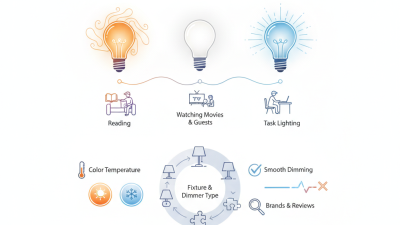
Tips: Test different LED options in your home. Pay attention to color temperature and brightness that fit your space best.
Additionally, the lifespan of LED filament bulbs is notable. They can last up to 25,000 hours compared to just 1,200 hours for incandescents. This longevity reduces waste and replacement costs. Yet, some may find the initial purchase price challenging. Investing in quality bulbs can pay off in the long term, despite the upfront cost.
Aesthetic Appeal and Design Options of LED Filament Lighting
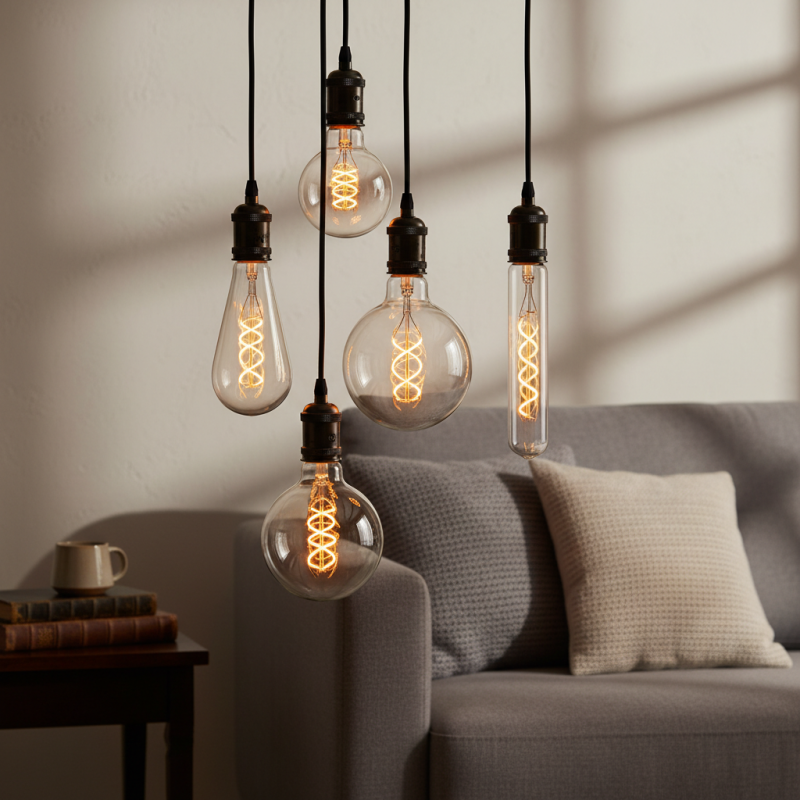
LED filament bulbs bring a unique aesthetic appeal to home lighting. Their vintage design often resembles traditional incandescent bulbs. This blend of modern technology and nostalgic charm can enhance any room's decor. The warm glow they emit creates a cozy atmosphere. It's perfect for living spaces and dining areas.
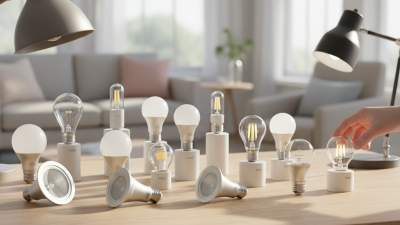
There is a wide variety of shapes and styles available. You can choose from globes, tubes, or pear-shaped designs. These options allow you to personalize your lighting to fit your taste. However, some may find it challenging to select the right bulb. Not every style suits every space. You might need to experiment before finding the ideal combination.
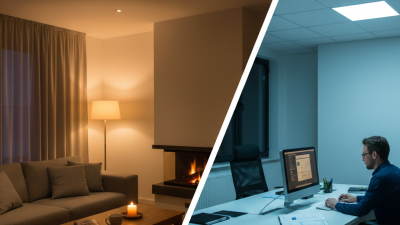
The energy efficiency of LED filament bulbs often leads to lower electricity bills. Even with that said, their initial cost can be higher than traditional bulbs. Consider the trade-off between upfront price and long-term savings. It's also essential to pay attention to color temperature. A too-warm or too-cool light can affect the mood of your space negatively.
Longevity and Durability: The Benefits of LED Filament Bulbs
When it comes to home lighting, longevity and durability are key factors to consider.
LED filament bulbs are known for their long lifespan, lasting up to 25,000 hours. This is significantly longer than traditional incandescent bulbs, which typically last around 1,000 hours. By choosing LED filament bulbs, homeowners can reduce replacement frequency and save on costs in the long run.
Moreover, these bulbs are built to withstand various conditions. Their robust design makes them less prone to breakage compared to standard bulbs. According to a report by the U.S. Department of Energy, LED bulbs deliver at least 75% energy savings throughout their lifespan, further emphasizing their durability and sustainability. While upfront costs may be higher, the overall efficiency can lead to noticeable savings.
Still, it is essential to consider that not every LED filament bulb performs equally. Some may flicker or produce an unnatural light quality. Homeowners should look for quality certifications to ensure the best performance. With a little research, the advantages of LED filament bulbs can significantly outweigh the downsides, making them a smart choice for modern lighting needs.
Environmental Impact of Choosing LED Filament Bulbs for Your Home
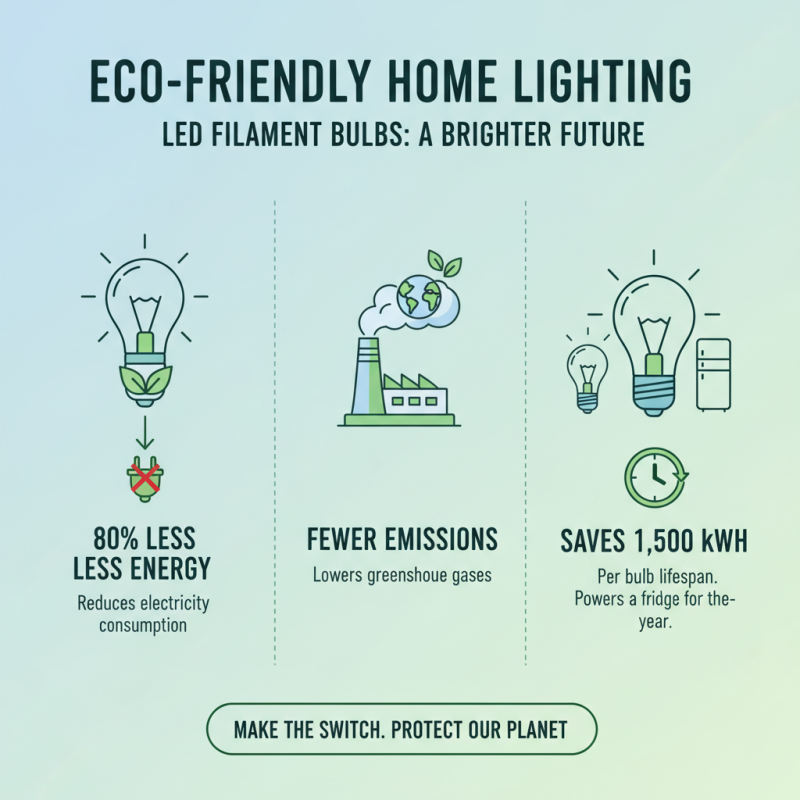
Switching to LED filament bulbs can significantly benefit the environment. These bulbs consume up to 80% less energy than traditional incandescent bulbs. This reduction directly translates to fewer greenhouse gas emissions. For example, one LED bulb can save approximately 1,500 kilowatt-hours over its lifespan. That's the energy equivalent to operating your refrigerator for a year.
The materials used in LED bulbs are also more sustainable. They are designed to last longer, often over 25,000 hours. This longevity means less frequent replacements, which reduces waste. A study by the U.S. Department of Energy indicated that widespread adoption of LED lighting could save the country approximately $30 billion in electricity costs annually. However, the production process isn't entirely free of environmental impact, as the manufacturing requires critical materials.
While the benefits are clear, it's essential to consider the hidden costs within production. The reliance on rare materials poses potential supply chain issues. Furthermore, the disposal of LED bulbs, due to their electronic components, may lead to environmental challenges if not handled correctly. These factors invite reflection on how technology can advance while still being mindful of its consequences.