How to Choose the Right LED Replacement Bulbs for Your Home?
Choosing the right LED replacement bulbs for your home can be challenging. Expert David Bright once said, "Selecting the right bulbs is key to enhancing your space." With various options available, making an informed choice is essential.
LED replacement bulbs offer energy efficiency and longevity. Yet, the vast array of choices can overwhelm consumers. It's important to consider brightness, color temperature, and compatibility with existing fixtures. Not every bulb will fit every socket. Sometimes, people overlook crucial details, leading to poor lighting choices.
The quality of light impacts mood and productivity. In some cases, buyers may prioritize cost over performance. This might lead to dissatisfaction later. It’s crucial to reflect on what each room needs. Finding the perfect LED replacement involves more than just picking the cheapest option.
Factors to Consider When Choosing LED Replacement Bulbs for Home Use
When selecting LED replacement bulbs for your home, several factors are crucial.
Start by considering the wattage equivalence. A typical 60-watt incandescent bulb converts to around
8 to 12 watts in LED. This can lead to significant energy savings, reducing your
electricity bill by about 75% according to the U.S. Department of Energy.
Light color is another essential factor. LED bulbs come in a range of color temperatures. Warmer light (2700K) creates a cozy atmosphere, while cooler light (5000K) is great for task-oriented spaces. Aim to match the bulb's color temperature to the room's purpose for optimal comfort and productivity.
Tips: Always check the lumen output. A higher lumen means a brighter light. For instance, a standard
100-watt bulb yields around 1600 lumens. Additionally, consider bulb
lifespan. Quality LEDs can last over
25,000 hours, but cheaper options may fall short.
Reflect on dimming capabilities if your home has existing dimmers. Not all LED bulbs are compatible with dimming systems.
This can lead to flickering or reduced lifespan. Choosing the right bulb is often a balancing act between efficiency, aesthetics, and functionality.
A thoughtful approach will make a noticeable difference in your space.
Understanding Lumens vs. Watts in LED Lighting Efficiency
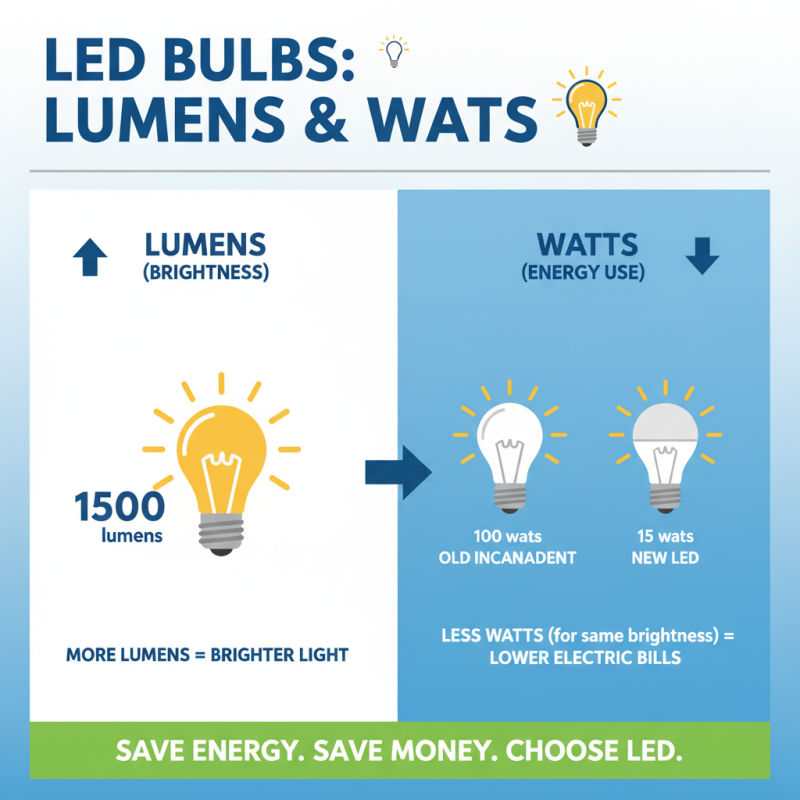
When choosing LED replacement bulbs, understanding lumens and watts is crucial. Lumens measure brightness. More lumens mean a brighter light. Watts, on the other hand, indicate energy consumption. With LED technology, a lower wattage can provide the same brightness as higher watt incandescent bulbs. This means choosing LEDs can significantly reduce energy costs.
Tips: Always check the lumen output before buying. Most bulbs indicate lumens on their packaging. For example, a 10-watt LED usually produces about 800 lumens. This matches a standard 60-watt incandescent bulb. Be cautious of overly low wattage; some may underestimate needed brightness.
It’s easy to overlook specific needs, like tone and color. Consider where the light will be used. Cooler tones work well in kitchens, while warmer tones create a cozy feel in living rooms. Some people might opt for overly bright lights, only to find them harsh. Remember, it's not just about saving energy; it's also about comfort. Take time to reflect on your choices.
Color Temperature and Its Impact on Home Ambiance with LEDs
Color temperature plays a crucial role in setting the ambiance of your home. Measured in Kelvins (K), it affects how colors appear and how spaces feel. For example, warm white light (2700K-3000K) creates a cozy, inviting atmosphere that enhances relaxation. Studies show that this range is ideal for bedrooms and living rooms, where comfort is key.
On the other hand, cooler white light (3500K-4100K) can boost focus and productivity. This is particularly useful in workspaces or kitchens. In fact, a report by the Lighting Research Center indicates that lighting can influence productivity by up to 15%. However, not every space requires bright lighting. Spaces that demand calm should avoid cooler temperatures.
When choosing LED bulbs, consider their color temperature impacts. It's easy to overlook this aspect. The wrong choice can make a room feel sterile rather than inviting. For instance, someone might install bright LEDs in a dining area, creating a harsh environment. Reflecting on your needs will help you choose wisely.
Identifying the Right Base Type for Your LED Replacement Bulbs
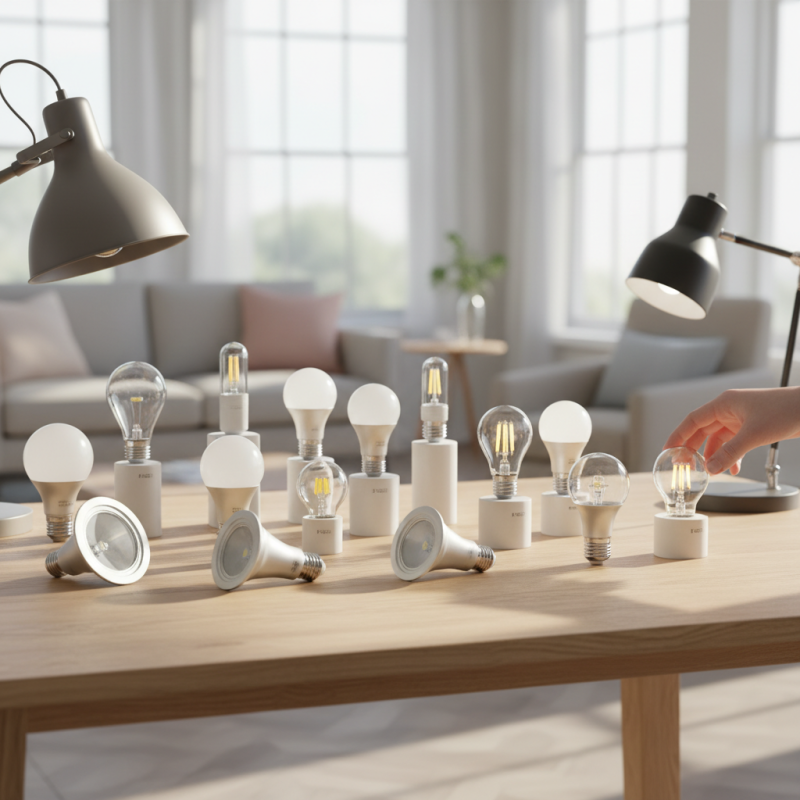
Choosing the right base type for your LED replacement bulbs is crucial. Many homeowners overlook this detail. However, the base type determines compatibility with existing fixtures. The most common base types include E26, E12, GU10, and others. Understanding these specifications is essential for a successful upgrade.
For example, the E26 base is prevalent in household settings. It fits standard light sockets. Conversely, the E12 base is used for smaller decorative fixtures. GU10 bases are common in track lighting. Data from the Lighting Research Center indicates that using the correct base type can improve energy efficiency by up to 30%.
Tip: Always check your current bulbs before purchasing replacements. This avoids confusion and potential returns.
It's easy to assume all bulbs are interchangeable. But not all LED bulbs fit every socket. Some people may find themselves with bulbs that simply do not work. Maintaining a list of base types in your home can be beneficial. This small step can save time and effort.
Tip: Consider the type of lighting you need. Focus on whether you want warm or cool tones. This will enhance both mood and functionality in your space.
Comparing Lifespan and Energy Savings of LED Bulbs to Traditional Options
When considering LED replacement bulbs, longevity and energy efficiency are key comparisons to traditional lighting options. LED bulbs usually last significantly longer than incandescent bulbs. An average LED can last up to 25,000 hours, while most traditional bulbs only reach about 1,000 hours. This difference can lead to fewer replacements, which ultimately saves time and money. However, it’s essential to check the specifics of each bulb for longevity claims.
Energy savings with LED bulbs are also impressive. They consume around 75% less energy than incandescent options. This translates to lower electricity bills. A typical LED bulb uses only 10 watts, compared to 60 watts for a standard bulb. These savings can add up quickly, but some may overlook the higher initial cost of LEDs. It’s worth reflecting on whether the upfront investment aligns with longer-term financial goals.
In terms of brightness and warmth, LEDs can sometimes fall short. Color temperature can vary, making it hard to find a perfect match for every room. Personal preference plays a significant role in how satisfied one might feel with their LED choice. Ultimately, weighing efficiency against comfort can lead to a more informed decision for your home lighting needs.