How to Choose the Right Replacement Bulbs for Your Needs?
Choosing the right replacement bulbs for your needs can seem daunting. With various types and specifications available, it’s essential to make an informed decision. Expert John Fitzgerald, a lighting specialist with over a decade of experience, asserts, “Selecting the perfect replacement bulb involves understanding your environment and needs.”
When it comes to replacement bulbs, clarity is key. Consider your fixtures and the effect you want. Do you need bright, daylight-like illumination or a softer, warmer glow? Each bulb affects ambiance differently. Pay attention to wattage and lumens for brightness. While LED bulbs are popular for efficiency, not all offer the same light quality. This can lead to unsatisfactory choices.
The market is flooded with options, and that can be overwhelming. Many consumers make choices based on price alone. However, this could result in a mismatch, impacting both function and aesthetic. Reflecting on personal experiences is vital. Taking the time to research can save you from frequent replacements. Prioritize quality and suitability over mere cost.
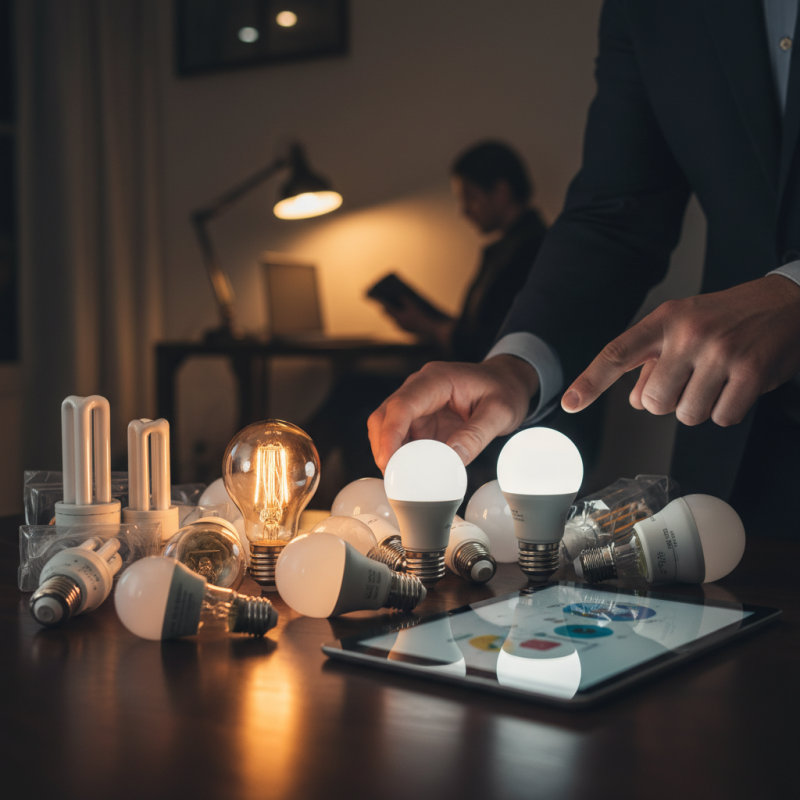
Understanding Different Types of Replacement Bulbs Available
When selecting replacement bulbs, understanding the types available is essential. LED bulbs are popular for their energy efficiency and longevity. They consume less power and can last up to 25,000 hours. This makes them an excellent choice for areas requiring consistent lighting. However, not all LED bulbs are dimmable, and some may emit a harsh light.
Incandescent bulbs provide a warm glow, creating a cozy atmosphere. They are inexpensive but have a shorter lifespan compared to LEDs. This type of bulb typically lasts around 1,000 hours. Users may overlook their energy consumption. Compact fluorescent lamps (CFLs) are another option worth considering. They use about 75% less energy than incandescent bulbs but take time to warm up. This delay can be inconvenient in certain settings.
Halogen bulbs are a type of incandescent that offers greater efficiency and brighter light. While they excel in certain applications, their heat output can be a concern. Choosing the right type depends on your specific needs. Take time to evaluate how each bulb suits your environment. Reflecting on your lighting needs can help avoid wasteful choices.
How to Choose the Right Replacement Bulbs for Your Needs?
| Bulb Type |
Wattage (W) |
Lumen Output |
Color Temperature (K) |
Average Lifespan (Hours) |
Energy Efficiency |
| Incandescent |
60 |
800 |
2700 |
1000 |
Low |
| CFL |
13 |
800 |
2700 |
10000 |
Medium |
| LED |
10 |
800 |
3000 |
25000 |
High |
| Halogen |
50 |
700 |
3000 |
2000 |
Medium |
| Smart Bulb |
9 |
800 |
2700-6500 |
25000 |
High |
Evaluating Brightness and Wattage for Your Lighting Needs
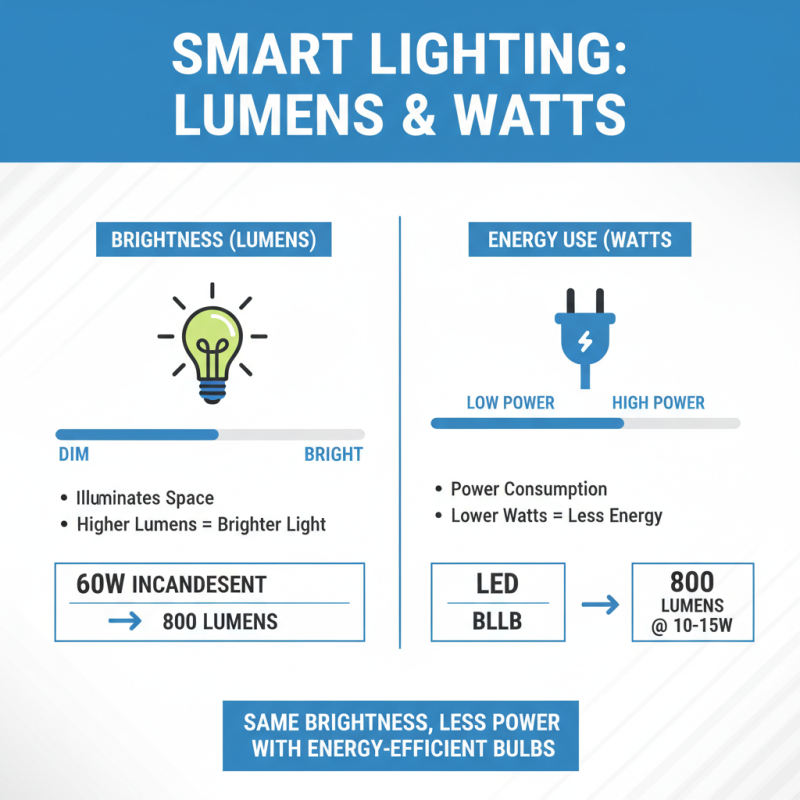
Choosing the right replacement bulbs starts with understanding brightness and wattage. Brightness, often measured in lumens, impacts how a space looks. More lumens mean a brighter light. For instance, a 60-watt incandescent bulb typically offers about 800 lumens. But, energy-efficient bulbs can produce the same brightness with less power.
Wattage indicates energy consumption, not brightness. If you require a brighter room, consider higher-wattage options, but be cautious. Using too much wattage can risk overheating or damage to fixtures. A 100-watt incandescent bulb produces significant light, but modern LEDs can achieve this level while using only 15-20 watts.
It’s essential to balance brightness with energy-saving options. Some people struggle with this balance. They might want bright rooms but feel uncertain about energy costs. Evaluating your lighting goals and usage can lead to better choices. Consider the room size, atmosphere, and primary use. Familiarize yourself with lumens versus watts. This knowledge enhances your decision-making process.
Choosing the Right Bulb Base Type for Compatibility
Choosing the right bulb base type is crucial for compatibility in lighting fixtures. Various types exist, like E26, GU10, and B22, each serving specific purposes.
According to the Department of Energy, around 90% of Americans use incandescent bulbs. However, many of these users may not realize the importance of base compatibility.
A mismatch can lead to flickering lights or even damage to fixtures. A study from the Lighting Research Center highlights that 75% of lighting issues stem from incorrect bulb choices. This suggests users need to pay close attention to base types.
For instance, the E26 base is prevalent in household lighting, while GU10 is often seen in track lighting.
Understanding the wattage and voltage requirements is also essential. Not all LED or CFL bulbs fit in traditional sockets, leading to inefficient lighting solutions. A report from the
National Electric Manufacturers Association indicates that improper fitting accounts for a significant portion of energy waste.
Ensure you verify base types before purchasing bulbs. This careful selection can enhance your lighting experience and reduce energy costs.
Considering Energy Efficiency Ratings and Lifespan
When selecting replacement bulbs, energy efficiency ratings and lifespan are crucial factors. Energy efficiency is often rated using lumens per watt (lm/W). A higher number means more light with less energy consumption. It is essential to check these ratings while shopping. Understanding them can lead to significant savings in your electricity bill.
Lifespan varies among different types of bulbs. For instance, LED bulbs often last about 25,000 hours, while incandescent bulbs may last only 1,000 hours. This difference significantly impacts long-term costs. Consider how often you use each bulb type. Lower lifespan bulbs require frequent replacements, increasing both effort and expense.
However, it's worth noting that not all energy-efficient bulbs perform well in every situation. Dimming capabilities, color temperature, and light quality matter too. It’s essential to reflect on your specific lighting needs. Experimenting with various bulbs can lead to insights about your preferences. Choose wisely, and remember that the perfect bulb for one person may not suit another's needs.
Assessing Color Temperature and Light Quality Preferences
Choosing the right replacement bulbs requires careful consideration of
color temperature and
light quality. Color temperature affects the mood of a space.
It is measured in Kelvins (K).
Warmer temperatures (2700K-3000K) create a cozy environment.
Cooler temperatures (4000K-5000K) promote alertness and focus.
Understanding your light quality preferences is crucial.
Soft white bulbs create a relaxed atmosphere.
Bright white bulbs provide clarity for tasks.
Think about how each type will impact your daily routine. Some may prefer
softer light for relaxation.
Others may need
brighter light for work.
Tips: Test different bulbs in your home.
Observe how they change your space’s feel. Pay attention to how they affect your mood.
Everyone's needs are unique.
Don't hesitate to explore options until you find what works best.
Embrace the joy of experimenting with light.