How to Choose the Right White Light Bulbs?
Choosing the right White Light Bulbs is not simply a matter of selecting the brightest package. Color temperature, brightness, beam angle, dimming performance, and energy use can change how a room feels and functions. A kitchen may need clear, neutral light for food preparation. A bedroom usually benefits from softer illumination that feels less stimulating at night. The wrong bulb can make white walls appear cold, blue, or strangely gray.
Lighting researcher Dr. Mariana Figueiro has said, “Light is the most powerful cue for our circadian rhythms.” This reminder matters when choosing White Light Bulbs for living spaces. Bulbs around 2700K to 3000K often create a warm, relaxed atmosphere. Bulbs near 3500K to 4000K can provide a cleaner appearance for offices, bathrooms, and work areas. Higher color temperatures may look crisp, but they can feel harsh in a small room. It depends on the surface, furniture, and natural daylight.
Brightness also deserves careful attention. Lumens measure light output, while watts mainly describe energy consumption. That difference is easy to miss. A 10-watt LED may produce more light than an older 60-watt incandescent bulb. Look for accurate color rendering, especially in kitchens, dressing areas, and studios. A CRI of 80 is acceptable for general use, while 90 or higher usually shows colors more naturally. Check the fixture’s compatibility before buying dimmable models. Flicker can be uncomfortable, although product labels do not always explain it clearly. Personal preference still matters. Even expert guidance cannot replace observing the actual bulb in your own room.
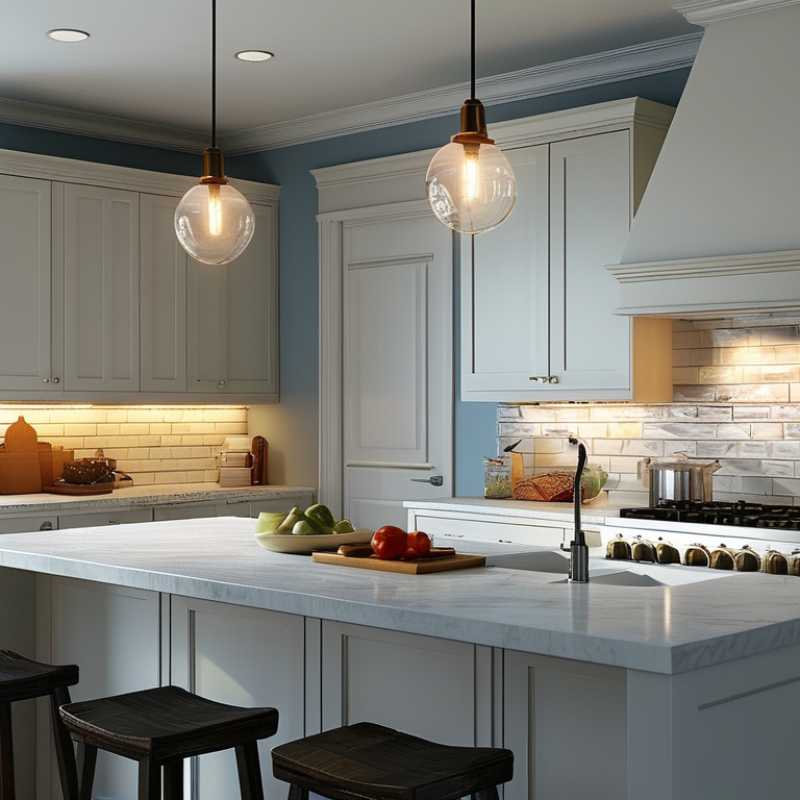
Define White Light by Color Temperature: 2700–6500 K Kelvin Ranges
How to Choose the Right White Light Bulbs?
White light is not one fixed color. It is measured in Kelvin, written as K. Lower Kelvin numbers create warmer, yellowish light. Higher numbers look cooler and bluer.
A 2700–3000 K bulb suits bedrooms, lounges, and dining areas. Its soft glow resembles an incandescent lamp. I find it comfortable after sunset, especially around wooden furniture. However, it can make white walls look creamy.
A 3500–4100 K bulb produces neutral white light. It works well in kitchens, bathrooms, and home offices. Colors appear clearer without feeling overly cold.
The 5000–6500 K range resembles daylight. It may help workshops, garages, and detailed craft areas. In a relaxing room, though, it can feel harsh.
Check the room’s purpose before choosing a number. Consider wall paint, floor color, and available daylight. Cool light can exaggerate blue surfaces. Warm light can soften gray surfaces. I once used 6500 K lighting above a reading chair. The brightness was useful, but the room felt strangely clinical. That choice failed. I should have tested a 4000 K bulb first.
Color temperature is only one part of quality. Check brightness, measured in lumens, and color rendering information when available. A bulb with accurate color reproduction can show food, clothing, and artwork more naturally. If possible, test one bulb at night. Packaging descriptions can be helpful, but they are not always visually consistent. Dimming may also change the appearance, depending on the bulb and dimmer. Small differences matter.
Compare CRI Ratings: Choose 80+ for General Lighting and 90+ for Color Accuracy
How to Choose the Right White Light Bulbs?
CRI, or Color Rendering Index, measures how naturally a bulb reveals colors compared with a reference light source. The scale reaches 100, with higher scores generally producing more faithful colors. The CIE 13.3-1995 method calculates Ra from eight color samples, but this limited sample set cannot describe every visible hue. That is an important weakness. A bulb rated 80 CRI may still make red towels look dull.
For general lighting, choose at least 80 CRI. The ENERGY STAR Lamps Specification Version 2.1 lists 80 CRI as the minimum for many general-service lamps. This level suits hallways, garages, offices, and ordinary ceiling fixtures. For kitchens, dressing areas, photography, artwork, and retail displays, choose 90+ CRI. Higher rendering can reveal the difference between fresh and grayish food, or between navy and black fabric. Test it at home before replacing every bulb.
Color temperature still matters. A 90 CRI bulb at 3000K creates a warmer room than a 90 CRI bulb at 4000K. The U.S. Department of Energy’s Solid-State Lighting research reports emphasize evaluating color quality beyond CRI, including consistency and additional color metrics. Look for R9 performance when vivid reds matter. CRI alone is not enough. I have found that labels can sound precise while room surfaces remain disappointing. Compare two bulbs beside a white wall, wooden cabinet, and red object. Your eyes may disagree with the package.
Evaluate LED Efficiency Above 80 lm/W and Check ENERGY STAR Certification
Choosing a white light bulb starts with useful light, not just wattage. LED bulbs should deliver more than 80 lumens per watt for efficient everyday lighting. Check the package carefully. A 10-watt bulb producing 800 lumens meets this basic target. That output suits a small bedroom, hallway, or desk lamp.
Look for an ENERGY STAR certification on the packaging or official product record. This label indicates that the bulb has passed recognized efficiency, performance, and durability requirements. Also inspect the color temperature. Around 2700K creates a warm, relaxed appearance, while 4000K looks cleaner and more neutral. For kitchens or work areas, a higher color temperature may feel more practical. For bedrooms, it can appear too harsh.
Efficiency is not the entire decision. Check the color rendering rating, dimming compatibility, and expected lifespan. A bulb can exceed 80 lm/W yet produce uncomfortable glare. I once focused too heavily on efficiency and overlooked the fixture’s narrow shade. The room became brighter, but less pleasant. That mistake still matters. Read the fine print, especially when replacing bulbs in enclosed fixtures. Some LED models require ventilation, and ignored heat can shorten their service life. A quick comparison of lumens, watts, certification, and intended use usually reveals the better choice.
Select the Correct Bulb Base, Shape, Dimming Support, and Indoor Rating
Choosing a white light bulb involves more than selecting a bright color. The bulb base must match the socket exactly. Common bases may look similar, yet small differences can prevent a secure connection. Check the fixture label, then compare the base shape and size before purchasing. A loose fit can cause flickering or heat buildup.
Bulb shape also affects performance. A globe bulb spreads light across a room, while a narrow reflector directs light toward a counter or desk. Make sure the bulb fits inside the shade without touching fabric or metal. I once chose a bulb that fit the socket but not the lamp cover. That mistake was easy to miss.
Dimming support needs careful checking. A bulb marked “dimmable” still requires a compatible dimmer and suitable fixture. At low settings, some bulbs may buzz, flicker, or switch off unexpectedly. Indoor rating matters too. Dry-location bulbs suit bedrooms and living rooms, but bathrooms, laundry areas, and covered outdoor fixtures may need damp-location protection. Read the packaging and fixture instructions together. Labels can still be confusing. When uncertain, measure the socket, shade clearance, and installation location before buying.
How to Choose the Right White Light Bulbs?
Select the correct bulb base and shape for the fixture, then check color temperature, dimming support, and the required indoor location rating.
How to read the chart: Color temperature is measured in Kelvin (K). Lower values create a warmer, more yellow-white appearance, while higher values produce a cooler, bluer-white appearance. The exact appearance can vary by bulb, so always check the product label.
- Base: Match the socket exactly, such as E26 for a standard screw base or E12 for a candelabra base.
- Shape: Choose a bulb shape and size that fit the fixture and provide the intended light distribution.
- Dimming: Use a bulb specifically marked as dimmable with a compatible dimmer.
- Indoor rating: Use dry-location bulbs in dry fixtures and damp-location-rated bulbs where indoor moisture may be present.