What is a Gu24 Led Bulb and How to Choose the Best One?
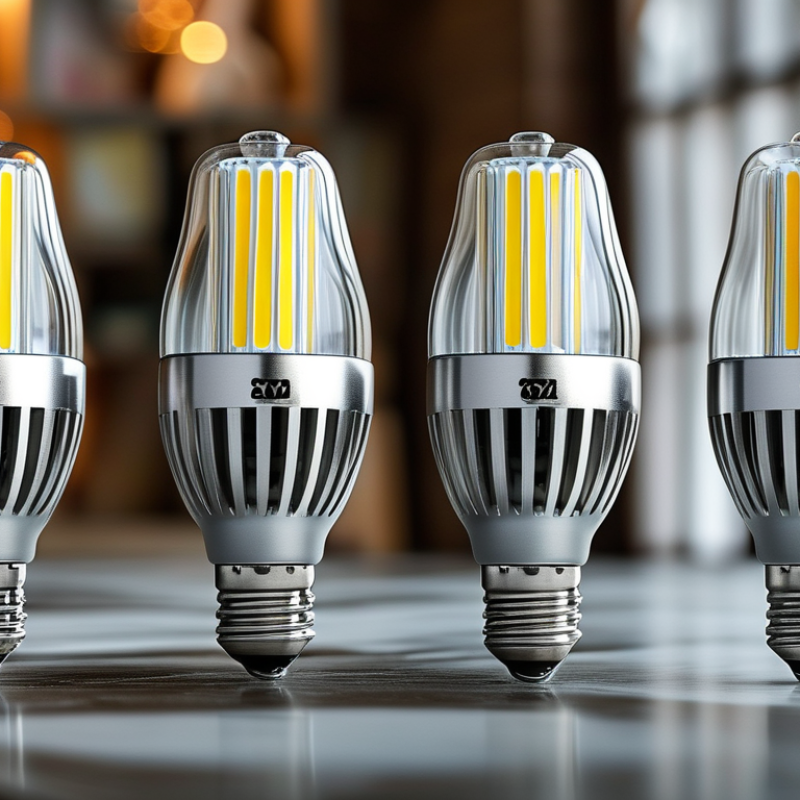
The Gu24 LED bulb is an innovative lighting solution that has gained popularity in recent years. Its design features a unique base that distinguishes it from traditional bulbs. This unique aspect allows it to fit securely into various fixtures. Many consumers appreciate its energy efficiency and long lifespan.
Choosing the best Gu24 LED bulb can feel overwhelming due to the many options available. Factors like brightness, color temperature, and wattage can complicate the selection process. Additionally, not all products are created equal, and quality can vary significantly.
Researching reputable brands is essential. Reading reviews can provide insights into real-world performance. Consumers often overlook these details, leading to unsatisfactory purchases. By understanding these elements, you can ensure that you select the right Gu24 LED bulb for your needs.
What is a Gu24 LED Bulb?
Gu24 LED bulbs are a type of energy-efficient lighting solution that utilizes a unique base design. Unlike traditional bulbs, they have a twist-and-lock mechanism. This feature allows for easy installation and replacement. According to the U.S. Department of Energy, LED lighting can be up to 80% more efficient than incandescent bulbs. This efficiency translates to longer lifespans and lower energy costs.
When comparing various Gu24 LED bulbs, consider the color temperature. Options range from warm white to cool daylight. Research indicates that warmer tones (2700K) create cozy environments, while cooler tones (5000K) are more stimulating. Additionally, brightness is measured in lumens, not watts. A 10-watt Gu24 LED bulb can produce around 800 lumens, comparable to a 60-watt incandescent bulb.
However, not all Gu24 LEDs are made equal. Variability in quality exists among manufacturers. Some bulbs may flicker or have a shorter lifespan than advertised. It’s crucial to check for certifications, such as the Energy Star label. This label provides confidence in product performance and energy savings. Overall, understanding these details helps consumers make informed decisions.
Energy Efficiency Comparison of GU24 LED Bulbs
Key Features of Gu24 LED Bulbs
Gu24 LED bulbs are becoming popular in many homes due to their unique base design. This type of bulb features a two-pin connection, making it easy to install in compatible fixtures. Choosing the right Gu24 LED bulb involves several key features to consider. Look for high lumens for brighter light output and a color temperature that suits your space.
Warm white is typically cozy and inviting, while cool white provides a more modern, energizing vibe.
Another important aspect is energy efficiency. Gu24 bulbs are designed to use less electricity compared to traditional incandescent bulbs. This reduction results in lower energy bills and a smaller environmental footprint. Pay attention to the wattage equivalency. A lower wattage means significant savings over time without sacrificing brightness.
It’s also wise to check the lifespan of these bulbs. Most Gu24 LEDs can last up to 25,000 hours. This longevity may lead you to rethink replacing bulbs frequently. However, ensure you verify the return policy from your vendor. Occasional defects may occur, so understanding your options for returns can offer peace of mind. Many users overlook this detail, leading to frustration later on. Remember to weigh all options carefully before deciding.
Advantages of Using Gu24 LED Bulbs
GU24 LED bulbs have gained popularity for their energy efficiency and versatile applications. One major advantage of using GU24 LED bulbs is their long lifespan. These bulbs can last up to 25,000 hours, far exceeding traditional incandescent options. This longevity translates to fewer replacements and reduced waste.
Another important benefit is energy savings. GU24 LED bulbs consume significantly less energy, cutting down utility bills substantially. They can provide the same brightness as an incandescent bulb while using a fraction of the energy. The warmth of light they emit is often comparable to traditional lighting, making them ideal for residential spaces.
When choosing the best GU24 LED bulb, consider the lumens required for your space. Higher lumens equal more brightness. Check the color temperature as well; warmer tones are great for cozy settings. It's also wise to review dimming capabilities if that feature is important for your environment. Remember, not all GU24 bulbs work with dimmer switches effectively.
Always confirm compatibility with existing fixtures. Some installations might require adapters or can pose challenges. Lastly, observe energy certifications to ensure efficiency claims are valid. Engaging in some research can lead you to an informed choice, enhancing your lighting experience.
What is a Gu24 Led Bulb and How to Choose the Best One? - Advantages of Using Gu24 LED Bulbs
| Feature |
Description |
Benefits |
| Energy Efficiency |
Uses significantly less power compared to incandescent bulbs. |
Reduces electricity bills and environmental impact. |
| Longevity |
Lasts up to 25,000 hours or more. |
Fewer replacements needed, saving time and money. |
| Light Quality |
Available in a variety of color temperatures. |
Can create different moods and enhance space aesthetics. |
| Instant On |
Lights up immediately at full brightness. |
Convenience in application and user experience. |
| Safety |
Contains no harmful substances like mercury. |
Safer for homes and the environment. |
How to Select the Right Gu24 LED Bulb for Your Needs
When choosing the right GU24 LED bulb, consider wattage and lumens. A bulb that uses 13 watts can produce around 800 lumens, providing brightness equivalent to a 60-watt incandescent bulb. This efficiency helps reduce energy consumption significantly, aligning with findings from the U.S. Department of Energy, which reported that LED bulbs use at least 75% less energy than traditional incandescent bulbs.
Pay attention to the color temperature as well. GU24 LEDs typically range from warm white (2700K) to cool white (5000K). Depending on where you plan to use them, the color can greatly affect the ambiance. For example, warmer tones are ideal for cozy spaces, like living rooms, while cooler tones work well in task-oriented areas, such as kitchens or offices. You might find that not every bulb lives up to its advertised color temperature.
Finally, think about the bulb's lifespan. Most GU24 LED bulbs last up to 25,000 hours, far outlasting standard fluorescents, which may only last around 7,000 hours. Yet, some products on the market fail to deliver on this promise. Research from the Lighting Research Center indicates that quality control varies widely among manufacturers, leading to potential discrepancies in performance. Consider these factors to ensure the right choice for your environment.
Common Applications of Gu24 LED Bulbs
Gu24 LED bulbs are becoming increasingly popular due to their energy efficiency and versatility. They are commonly used in residential and commercial spaces. These bulbs fit into a specific socket, offering a seamless installation experience. A significant advantage is their adaptability for various lighting fixtures.
In homes, Gu24 bulbs are often found in kitchen and living room fixtures. They provide bright, consistent light, enhancing both ambiance and functionality. Data from the U.S. Department of Energy indicates that LED bulbs use at least 75% less energy than incandescent lighting. This substantial reduction in energy consumption can lead to noticeable savings on electricity bills. However, some users report challenges in finding the right Gu24 options for their needs.
In commercial applications, Gu24 LED bulbs are ideal for offices and retail spaces. Their long lifespan—around 25,000 hours—means fewer replacements, reducing maintenance costs. While many businesses appreciate these benefits, some struggle with initial investment costs. Trends show a growing shift towards LED solutions, despite the higher upfront expenditure. Balancing energy savings with initial costs can be a complex decision for business owners.