Top 5 Tips for Choosing the Best Led Filament Bulb?
Choosing the right LED filament bulb can be challenging. With the increasing popularity of energy-efficient lighting, consumers face an overwhelming amount of choices. According to a report from the International Energy Agency, LED technology can reduce energy consumption in lighting by up to 75%. This significant reduction showcases the importance of selecting quality products.
Experts like Dr. Emily Carter, a lighting technology analyst, emphasize the need for informed choices. She states, "A great LED filament bulb not only enhances ambiance but also ensures long-term savings." These bulbs mimic the classic incandescent design, offering warm light while utilizing advanced technology. Understanding key factors can improve your shopping experience.
While many options seem attractive, not all LED filament bulbs are created equal. Some might not meet performance expectations or lifespan claims. Buyers must be wary of misleading packaging and marketing tactics. This awareness can lead to better investments for homes and businesses alike. Being informed is crucial in making the best choice.

Understanding LED Filament Bulb Technology and Benefits
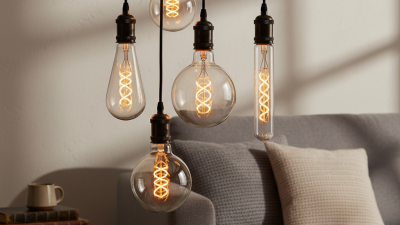
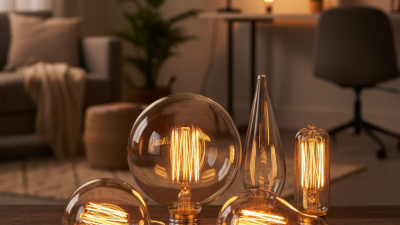
LED filament bulbs have gained popularity due to their unique design and efficiency. They combine traditional incandescent aesthetics with modern LED technology. This innovation provides not only energy savings but also durability. According to a 2022 report by the U.S. Department of Energy, LED products can lead to energy savings of up to 75% compared to traditional incandescent bulbs.
Understanding the benefits is crucial for making an informed choice. LED filament bulbs can last over 25,000 hours, significantly longer than their incandescent counterparts, which typically last about 1,000 hours. This longevity reduces replacement frequency and contributes to less waste. Furthermore, many consumers appreciate the warm glow emitted by these bulbs, often preferred for home environments.
However, there are aspects to consider when choosing an LED filament bulb. Not all bulbs have the same luminous efficacy or color rendering index. Some may appear less bright than expected due to varying designs and materials. It's important to evaluate these specifications when selecting bulbs. Additionally, the initial cost can be a deterrent. Many may hesitate despite the long-term savings. Being aware of these details can lead to a more satisfactory purchase experience.
Top 5 Tips for Choosing the Best LED Filament Bulb
| Tip |
Description |
Benefits |
Energy Efficiency (Wattage) |
| 1. Check the Lumens |
Choose bulbs with suitable brightness based on your space. |
Ensures comfortable lighting for different activities. |
6-10W |
| 2. Evaluate Color Temperature |
Choose between warm, neutral, or cool white light. |
Sets the mood for different rooms and activities. |
6-8W |
| 3. Look for Dimmable Options |
Select bulbs that can be dimmed for varied lighting needs. |
Provides flexibility in lighting and energy savings. |
8-12W |
| 4. Consider the Bulb Shape |
Choose a shape that fits your fixture and aesthetic. |
Enhances the overall decor of the space. |
5-10W |
| 5. Check Compatibility with Fixtures |
Make sure your bulbs work well with existing light fixtures. |
Prevents flickering and ensures optimal performance. |
6-10W |
Evaluating Lumens and Watts for Optimal Brightness and Energy Savings
When selecting an LED filament bulb, understanding lumens and watts is crucial for achieving optimal brightness and energy efficiency.
Lumens measure the light output. The higher the lumens, the brighter the bulb. For ambient lighting, aim for around 800 lumens, which is equivalent to a traditional 60-watt bulb.
It’s essential to assess your space’s needs before making a decision.
Watts indicate energy consumption. LED bulbs use significantly fewer watts to produce the same brightness as incandescent bulbs.
Generally, a 10-watt LED can replace a 60-watt incandescent bulb. This transition not only reduces energy bills but also extends the bulb's lifespan.
However, it’s important to consider factors like the color temperature, which affects the mood of a room.
Many users overlook the importance of testing different settings. It’s not always straightforward.
One bulb may look brighter than another due to different color temperatures and designs. Trying out various options can lead to better results.
You might find that some bulbs promise high lumens but deliver less than expected. Being cautious and seeking genuine reviews can offer valuable insights.
Assessing Color Temperature for Desired Ambiance and Mood
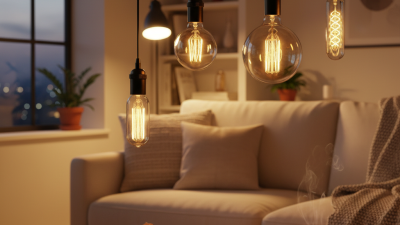
Choosing the right color temperature for LED filament bulbs can greatly influence the ambiance of a space. Color temperature is measured in kelvins (K). Typically, a warmer light (2700K to 3000K) creates a cozy and inviting environment. This type is perfect for living rooms or bedrooms. On the other hand, cooler lights (4000K to 5000K) are often seen in workspaces. They promote focus and alertness.
Many people overlook the significance of hue. A bulb that appears white during the day may seem harsh at night. This shift can disrupt relaxation. Experimenting with different color temperatures can help you discover what feels best. A warm glow can foster intimacy, while cooler tones can enhance clarity. Moreover, lighting fixtures influence how color temperatures are perceived. A lampshade can add a softening effect.
Selecting the appropriate color temperature can take time. Some might find trial and error a bit frustrating. It's a process that reveals how personal taste varies. Sometimes, a room may even require different bulbs for different moods. Understanding how color influences our feelings can guide better choices. With careful thought, you can create spaces that resonate with warmth or clarity, according to your needs.
Exploring Dimmability and Compatibility with Existing Fixtures
When selecting LED filament bulbs, dimmability is a key feature to consider. Not all LED bulbs can dim effectively. Some may flicker or buzz at lower settings. Testing dimmability with your existing dimmer switch is crucial. This ensures compatibility and helps avoid any unexpected issues.
Next, compatibility with your current fixtures cannot be overlooked. Different fixtures have unique designs and wattage limits. It’s important to know if an LED filament bulb fits your fixture’s requirements. Checking the bulb’s base type is a simple yet essential step. This can provide peace of mind and prevent mismatches.
Experimentation may be necessary to find the right bulb for your space. Not every bulb will perform as expected in every setting. Some may emit a warmer glow, while others could be cooler than anticipated. Documenting your experiences with different bulbs can guide your future choices. Embrace the trial and error process, and remain open to adjusting your preferences over time.
Considering Brand Reputation and Product Lifespan for Quality Assurance
When selecting the right LED filament bulb, brand reputation and product lifespan are crucial factors. Reliable brands often indicate quality manufacturing processes. Longevity in a bulb means less frequent replacements. Look for bulbs with warranties or guarantees. These often reflect confidence from the manufacturer.
Consider the materials used in the bulb. Better components tend to enhance durability. Research the average lifespan reported by users, as real-world experiences can reveal more than specifications. Remember, affordable price tags can sometimes mask lower quality.
In addition, checking for certifications can offer peace of mind. Certifications signal that the product meets specific quality standards. This information serves as a guideline, but real performance can vary. Reviews can be helpful, but they are not foolproof. Ultimately, balancing reputation and product lifespan can lead to better choices.