Best Replacement Bulbs for Your Lighting Needs?
When it comes to choosing the best replacement bulbs, expertise is essential. John Maxwell, a renowned lighting consultant, once stated, "The right replacement bulbs can transform your space remarkably." This insight highlights the crucial role that quality replacement bulbs play in enhancing both comfort and aesthetics in any environment.
Finding the ideal replacement bulbs can be overwhelming. The sheer variety of options available often leads to confusion. Fortunately, understanding the different types of bulbs can simplify your decision-making process. Whether you need energy-efficient LED lights or warm incandescent options, each has unique benefits suited to various needs.
Quality replacement bulbs not only improve illumination but also contribute to energy savings. Yet, many consumers still overlook this factor. Investing in high-performance bulbs can significantly reduce long-term costs. As we navigate through the options, it's clear that making informed choices is paramount for effective lighting solutions.

Understanding Different Types of Replacement Bulbs for Home Lighting
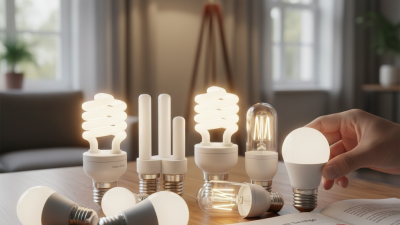
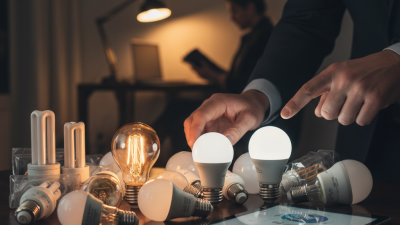
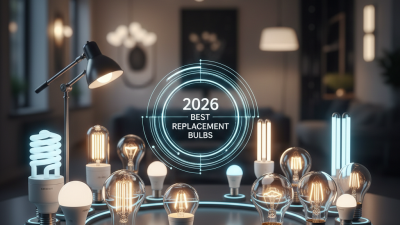
When choosing replacement bulbs for home lighting, understanding the types available is crucial. LED, CFL, and incandescent bulbs serve different purposes. LEDs are energy-efficient and have a longer lifespan. CFLs use less energy but take time to warm up. Incandescents offer warm light but consume more energy.
Tips: Consider brightness and color temperature. Brightness is measured in lumens. Higher lumens mean brighter light. Color temperature affects mood. Warmer tones create a cozy feel, while cooler tones are ideal for task lighting.
Additionally, reflect on your existing fixtures. Not all bulbs fit every socket. Some may require specific sizes or bases. Pay attention to compatibility. For outdoor settings, moisture-rated bulbs are essential. Indoor spaces benefit from dimmable options for versatility. Selecting the right bulb can transform a room and save energy.
Best Replacement Bulbs for Your Lighting Needs
Energy Efficiency Ratings: Comparing Lumens to Watts in Bulbs
When considering energy efficiency in lighting, understanding lumens and watts is essential. Lumens measure brightness, while watts indicate energy consumption. This distinction can significantly impact both electric bills and environmental footprint. According to the U.S. Department of Energy, LEDs provide 80% more light per watt compared to traditional incandescent bulbs. This fact alone highlights the importance of selecting the right bulb for optimal energy use.
Many consumers may still equate higher wattage with more light. However, a 10-watt LED bulb can produce about 800 lumens, similar to a 60-watt incandescent bulb but using much less energy. The confusion arises from the historic focus on watts rather than lumens. Reports show that over 40% of consumers still buy bulbs based on wattage alone. This trend underscores a gap in awareness regarding how to equate brightness with energy efficiency.
Adopting a lumen-focused mindset can prove beneficial. It encourages smarter choices in lighting. Digital tools available online can assist consumers in identifying the right lumens for their spaces. Yet, this leads to another challenge: misinformation and marketing strategies that may obscure clarity. Accurate labeling is critical for informed decisions, yet inconsistencies persist across products.
LED vs. CFL vs. Incandescent: Pros and Cons for Your Space
When choosing replacement bulbs, understanding the differences among
LED,
CFL, and
incandescent is crucial.
LEDs are energy-efficient and long-lasting.
They can reduce electricity bills significantly. However, they tend to
have a higher upfront cost
compared to the other types. Many users also find the light from LEDs to be
somewhat harsh at times.
CFLs offer a balance between efficiency and cost. They use less power than
incandescent bulbs but require some time to warm up fully.
Some people report that they don’t like the flicker during this warm-up period.
Incandescent bulbs are the traditional choice. They provide a warm glow
and are easily dimmable, but they consume more energy and have a
shorter lifespan.
Choosing the right bulb depends on your specific needs and preferences.
For example, think about the atmosphere you want in your spaces.
Do you need bright light for tasks
or softer light for relaxation?
Each type has its pros and cons. By assessing your space and usage, you can make an informed choice.
Lifespan and Cost Analysis: Long-Term Savings with Replacement Bulbs
When choosing replacement bulbs, lifespan and cost are paramount. Many consumers overlook the long-term savings associated with energy-efficient options. For example, LED bulbs can last up to 25,000 hours. This longevity means fewer replacements, reducing overall costs.
In addition to lifespan, consider energy consumption. Think about typical wattage. A standard incandescent bulb consumes more energy than a halogen or LED alternative. By switching, you may notice a significant dip in electricity bills. However, initial costs can be higher. This leads to a common dilemma: pay now or save later?
It's essential to evaluate your specific lighting needs. Not all spaces require bright, white light. Some areas might benefit from warmer tones. Experimenting with different bulbs can be beneficial. Finding the right fit often requires some trial and error. As you analyze your choices, keep in mind that the best options aren't always the most costly.
Choosing the Right Color Temperature to Enhance Your Environment
Color temperature plays a pivotal role in creating the desired ambiance in any space. It is measured in Kelvin (K) and ranges from warm yellows to cool blues. A warm color temperature, typically around 2700K to 3000K, can evoke a cozy feeling. This makes it ideal for living rooms and bedrooms. Conversely, cooler temperatures, around 5000K to 6500K, are great for workspaces, enhancing focus and alertness.
When selecting replacement bulbs, consider how the color temperature impacts your environment. Too much blue light in a relaxation zone can lead to discomfort. On the other hand, using excessively warm bulbs in a workspace might reduce productivity. Each area in a home or office has unique lighting needs that influence moods, tasks, and even productivity levels.
Choosing the right color temperature is an art and science. It requires thoughtful consideration of the space’s purpose. Always reflect on how lighting affects your daily life. It’s not just about brightness; it’s about the feeling each light brings. The right bulb can transform a space, but the wrong one can create unwanted shadows, both literal and metaphorical.
Best Replacement Bulbs for Your Lighting Needs
| Bulb Type |
Wattage |
Lumens |
Color Temperature (Kelvin) |
Best For |
| LED Bulb |
10W |
800 |
3000K |
Living Room, Bedroom |
| CFL Bulb |
15W |
900 |
5000K |
Kitchen, Bathroom |
| Incandescent Bulb |
60W |
800 |
2700K |
Dining Room, Accent Lighting |
| Halogen Bulb |
50W |
700 |
2900K |
Track Lighting, Outdoor |