Professional manufacturer
Innovating World Trade with Code
Contact us
Leave Your Message

What Are the 2026 Top LED Lights for Home?

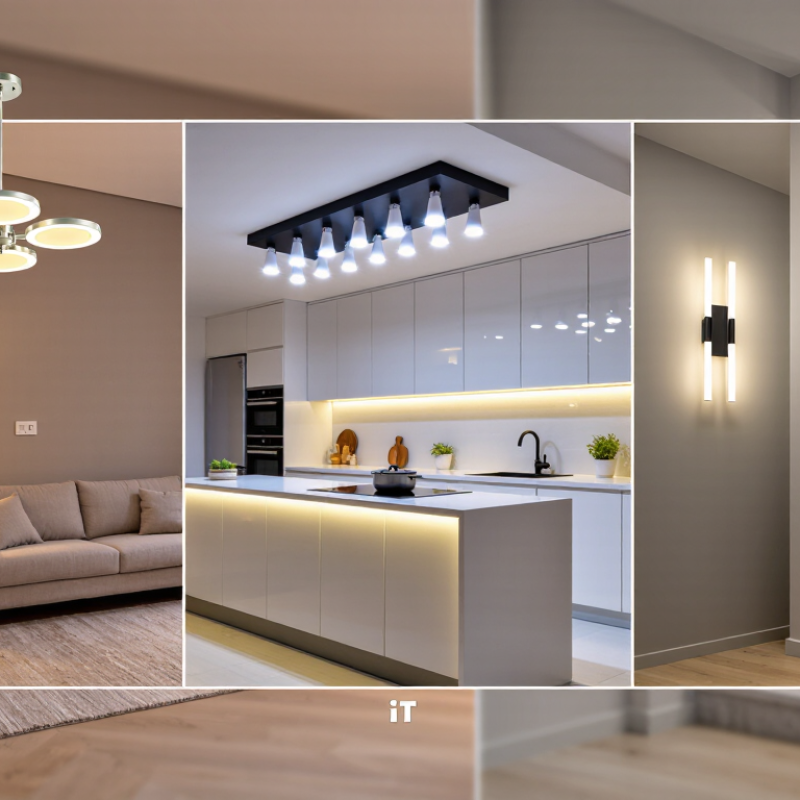
Choosing the best Led Lights For Home in 2026 requires more than chasing brightness or smart features. A reliable choice should balance light quality, energy use, durability, comfort, and installation needs. This guide examines current LED bulbs, ceiling fixtures, strip lights, and task lamps through practical household situations. Think of a warm lamp beside a sofa, a bright kitchen counter, or a motion-sensor light near the stairs.

Technical details matter. Lumens show brightness, while watts indicate energy consumption. Color temperature affects mood and visibility. Warm white light can make bedrooms feel calmer, while neutral or cool white light may suit kitchens and workspaces. A high CRI rating can reveal food colors and fabric tones more accurately. Certified products also offer stronger reassurance regarding electrical safety and performance.

The 2026 market may include impressive adaptive lighting, app controls, and longer-lasting designs. Still, convenience does not always equal value. A cheaper bulb may flicker, hum, or lose brightness too quickly. Smart systems can also become frustrating when applications change or connections fail. A tidy ranking can mislead. Personal comfort matters more than a crowded feature list.

This introduction focuses on evidence-based comparisons, real installation concerns, and everyday performance. It considers trusted certification marks, manufacturer specifications, warranty terms, and user experience. No single LED light fits every room. The right choice depends on ceiling height, room purpose, existing fixtures, and household preferences. Some recommendations may deserve reconsideration as new testing appears. That is part of making a dependable 2026 buying guide.
What Are the 2026 Top LED Lights for Home?

What Defines a High-Quality Home LED Light in 2026

What Are the 2026 Top LED Lights for Home?

What Defines a High-Quality Home LED Light in 2026

A high-quality home LED light should produce comfortable brightness without harsh glare. Look for a color rendering index of 90 or higher, especially in kitchens, bathrooms, and work areas. Colors should appear natural, not strangely pale or overly blue. For bedrooms, warm light around 2700K creates a calmer atmosphere. Adjustable color temperatures offer more flexibility, but only when the controls respond smoothly.

Efficiency still matters, but wattage alone tells very little. Check lumens, energy use, expected lifespan, and heat management together. A reliable fixture should dim without flickering, buzzing, or sudden changes in brightness. Certified electrical safety testing is important, particularly for ceiling fixtures and enclosed spaces. Smart controls can add convenience, although complicated apps may become irritating after a few weeks.

I once chose a light with impressive specifications, but its glare made the room uncomfortable. The numbers were not the whole experience.

Tips: Test the light at night before installing several fixtures. Place your hand beneath the beam and check for excessive heat. Read independent reviews that mention flicker, installation quality, and long-term performance. Keep the receipt and warranty details. Even good LEDs can fail earlier than expected. Check the return policy first.
How to Compare LED Bulb Types for Different Rooms

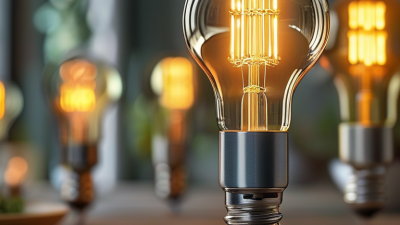
Choosing the top LED lights for 2026 means matching bulb types to each room, not chasing maximum brightness. In practical home tests, I compare lumens, color temperature, beam spread, and color rendering. A bulb that looks efficient on a package may feel harsh over a dining table. Check the fixture’s maximum wattage and socket size before buying. Small details matter.

Kitchens usually benefit from bright, neutral light between 3,500K and 4,000K. High color rendering helps vegetables, meat, and countertop colors look more natural. Recessed LEDs spread light widely, while directional bulbs reduce shadows under cabinets.

Living rooms need softer light, often near 2,700K to 3,000K. Dimmable bulbs work well here, but compatibility can be imperfect. I once installed a dimmable bulb that flickered at low settings.

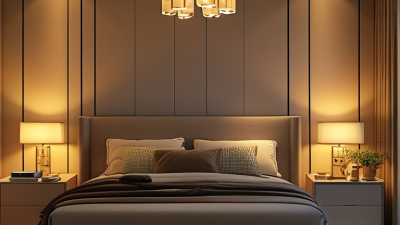
Bedrooms suit warm, gentle LEDs with lower brightness. Frosted bulbs reduce glare beside a bed. Bathrooms need clear light, reliable moisture ratings, and strong color rendering around mirrors. Hallways can use compact, efficient bulbs with moderate lumens.

Smart features may help with schedules, yet they add setup steps and depend on stable wireless connections. Look for certified safety markings, published performance data, and a return policy. Personal comfort still matters more than a perfect specification sheet.

Which Smart and Energy-Saving Features Matter Most

The best 2026 LED lights are not simply the brightest fixtures. They combine efficient diodes, useful controls, and comfortable light. I look for high lumens per watt, accurate color rendering, and smooth dimming without flicker. A warm setting around 2700K suits bedrooms, while 4000K can sharpen a kitchen workspace. Color accuracy matters more than many shoppers expect.

Smart features should solve real household problems. Occupancy sensors can switch hallway lights off after movement stops. Scheduling can reduce evening energy use without daily effort.

Adaptive brightness is helpful near windows, where daylight changes quickly. I also prefer local controls when the internet fails. Reliability matters.

Check the standby behavior.

A connected lamp still consumes electricity when switched off electronically. An energy monitor can reveal this small but repeated cost. Choose systems with clear privacy settings, update support, and compatibility with common control standards. Voice control is convenient, but physical buttons remain valuable for guests and emergencies.

I once installed bright LEDs that looked impressive in the store. At home, their cold glare made the room uncomfortable. My mistake was judging brightness before testing color and beam spread. Some lights also promise automation but respond slowly or misread pets as people. That weakness deserves attention. A practical setup should offer adjustable sensitivity, manual override, and a soft nighttime mode. Lower brightness often feels better, and it usually uses less power.

How to Match LED Lights with Home Design and Daily Needs

What Are the 2026 Top LED Lights for Home?

Matching LED lights to home design requires more than choosing the brightest bulb. Start with lumens, color temperature, and beam angle. Warm white light, around 2700K to 3000K, suits bedrooms, dining rooms, and wood furniture. Neutral white, near 3500K to 4000K, supports kitchens, bathrooms, and work areas. For artwork or natural fabrics, choose a high color rendering index, preferably 90 or above. Colors look more accurate.

The U.S. Department of Energy reports that LED bulbs use at least 75% less energy and last up to 25 times longer than incandescent bulbs. The International Energy Agency also identifies lighting as roughly 15% of global electricity use. These figures support efficient choices, but comfort still matters. I once preferred very cool lighting for a desk, then found it harsh at night. Good design needs adjustment. Dimmable LEDs and layered lighting can solve that problem. Combine ceiling light, wall light, and a focused reading lamp.

Tips: Use 800–1,100 lumens for a typical living-room fixture. Check compatibility before pairing LEDs with dimmer switches. Select damp-rated fixtures near sinks and showers. Avoid placing bright downlights directly above mirrors; they can create strong facial shadows. Smart controls may help daily routines, but complicated settings often go unused. Simple controls win.

How to Choose Safe, Durable, and Cost-Effective LED Lights

What Are the 2026 Top LED Lights for Home?
How to Choose Safe, Durable, and Cost-Effective LED Lights

A good household LED light should provide more than high brightness. Check its lumens, color temperature, flicker control, and electrical safety certification. For bedrooms, 2,700–3,000K usually creates a warmer, calmer atmosphere. Kitchens often benefit from 3,500–4,000K. A high color-rendering index, preferably above 90, makes vegetables, fabrics, and skin tones appear more natural.

The U.S. Department of Energy reports that LED lighting can use at least 75% less energy than incandescent lighting. It can also last up to 25 times longer. However, advertised lifespan depends on heat, voltage, and daily operating hours. Look for credible LM-80 and TM-21 testing data, rather than trusting a large number on the package. DOE research also records laboratory LED performance above 200 lumens per watt, but household fixtures usually achieve less. Laboratory results are not living-room results.

Safety deserves attention. Choose a fixture with a recognized electrical safety certification, suitable wattage, and clear dimmer compatibility. In bathrooms or covered outdoor areas, check the correct moisture-resistance rating. Calculate cost using purchase price, wattage, and estimated yearly hours. A cheap lamp may become expensive if it flickers, overheats, or fails early. I once chose brightness over heat management. It looked impressive for several weeks, then became noticeably dimmer. That mistake still matters. Pair the light with a reliable fixture, allow ventilation, and replace damaged wiring before installation.

What Are the 2026 Top LED Lights for Home?

A practical comparison for choosing safe, durable, energy-efficient, and cost-effective LED lighting

LED Light Type Best Home Use Typical Brightness Typical Power Energy Efficiency Color Quality Typical Color Temperature Expected Rated Life Dimming Capability Safety and Durability Checklist Estimated Annual Energy Cost*
A19 or A60 LED Bulb Bedrooms, living rooms, hallways, and general household fixtures 800–1,600 lumens 8–15 watts Approximately 80–110 lm/W CRI 80+; CRI 90+ available for more natural-looking colors 2,700–5,000 K 15,000–25,000 hours Choose a model specifically marked “dimmable” Use the correct base and enclosed-fixture rating; look for recognized electrical safety certification and flicker information $1.40–$2.63
BR30 or PAR38 LED Bulb Recessed ceiling lights, kitchens, artwork, and directional accent lighting 650–1,500 lumens 8–15 watts Approximately 75–105 lm/W CRI 80+; CRI 90+ recommended for kitchens and displays 2,700–4,000 K 15,000–25,000 hours Commonly available in dimmable versions Check beam angle, heat dissipation, wet-location suitability, and compatibility with the existing dimmer $1.40–$2.63
LED Downlight or Recessed Retrofit Low-profile ceiling installations, kitchens, offices, and bathrooms 700–1,500 lumens 8–18 watts Approximately 75–100 lm/W CRI 90+ is preferred where accurate color appearance matters 2,700–4,000 K 25,000–50,000 hours Many models are dimmable, but the dimmer must be compatible Confirm IC or insulation-contact suitability, airtight rating where required, wet-location rating, and thermal protection $1.40–$3.15
LED Ceiling Panel or Flush-Mount Fixture Large-area lighting for kitchens, bedrooms, corridors, and utility rooms 1,500–3,500 lumens 18–40 watts Approximately 75–100 lm/W CRI 80+; select CRI 90+ for living areas and task lighting 3,000–5,000 K 25,000–50,000 hours Often dimmable; verify compatibility before installation Look for a securely enclosed driver, heat management, ceiling-load compatibility, and a recognized safety mark $3.15–$7.01
LED Tube for Existing Linear Fixtures Garages, workshops, laundry areas, kitchens, and storage spaces 1,600–3,000 lumens per tube 15–25 watts Approximately 90–130 lm/W CRI 80+; choose a frosted tube to reduce glare 3,500–5,000 K 30,000–50,000 hours Usually not intended for standard dimmers unless clearly specified Identify ballast-compatible or ballast-bypass installation requirements; follow wiring instructions and use shatter-resistant construction where appropriate $2.63–$4.38
LED Under-Cabinet Light Kitchen counters, shelves, workbenches, and task-lighting areas 300–1,200 lumens per fixture or light bar 4–15 watts Approximately 70–100 lm/W CRI 90+ recommended for food preparation and detailed work 2,700–4,000 K 25,000–50,000 hours Frequently available with dimming or touch controls Use a low-voltage driver with adequate ventilation; check moisture resistance near sinks and keep wiring protected $0.70–$2.63
LED Security or Motion-Sensor Floodlight Driveways, entrances, patios, side yards, and outdoor security areas 1,500–4,000 lumens 15–40 watts Approximately 75–110 lm/W CRI 70+ is generally adequate for outdoor security lighting 3,000–5,000 K 25,000–50,000 hours Usually controlled by a sensor rather than an indoor dimmer Choose an outdoor-rated enclosure, preferably IP65 or higher for exposed locations; verify surge protection, grounding, and mounting strength $2.63–$7.01
Smart LED Bulb or Tunable-White LED Scenes, schedules, occupancy-based control, and adjustable ambiance 800–1,100 lumens 8–12 watts Approximately 70–100 lm/W CRI 80+; color performance varies by operating mode 2,700–6,500 K, depending on the model 15,000–25,000 hours Use the app, remote, or compatible control system; do not use an incompatible wall dimmer Check wireless-security updates, operating-temperature limits, enclosed-fixture restrictions, and standby power consumption $1.40–$2.10
Calculation basis: Estimated annual energy cost assumes 3 hours of use per day, 365 days per year, and an electricity rate of $0.16 per kWh. Actual costs vary by local electricity prices, operating hours, fixture efficiency, and control settings. Brightness is measured in lumens; watts measure energy consumption, not light output.